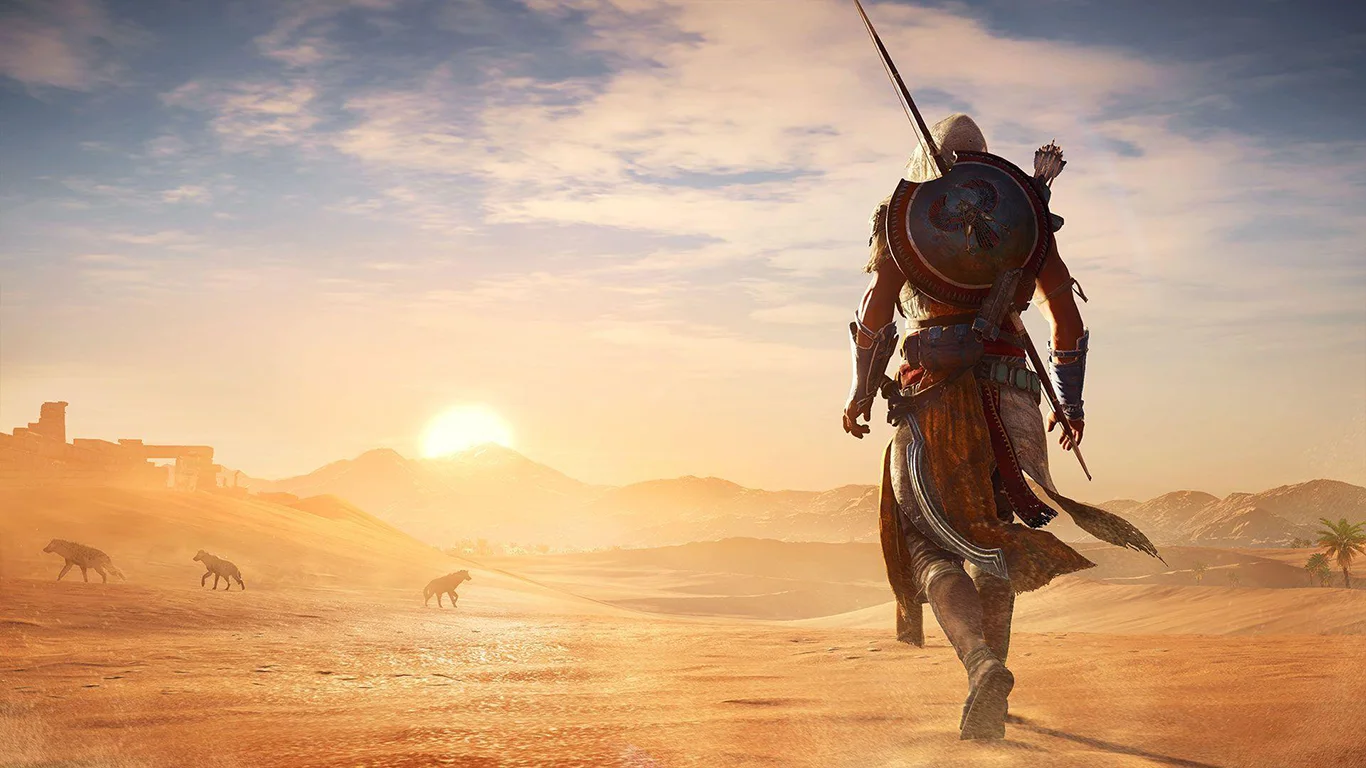
In the ever-evolving world of gaming, few titles manage to hold their magic years after release. Assassin Creed Origins, launched back in 2017, remains one of those rare experiences that still captivates players in 2025. As new Assassin’s Creed entries continue to expand across timelines and cultures, Origins stands tall as a masterpiece that redefined not only the series — but the open-world RPG genre itself.
This is not just nostalgia. It’s about why Bayek’s journey through ancient Egypt still feels alive, relevant, and profoundly human.
1. The Dawn of a New Creed
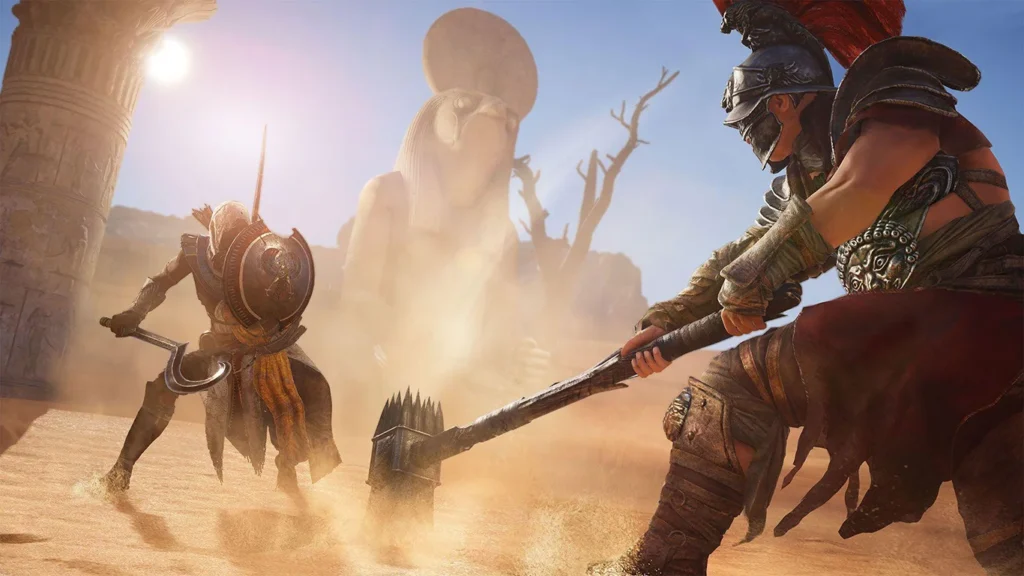
Before Origins, the Assassin’s Creed series was at a crossroads. Ubisoft had released yearly installments that, while successful, began to feel formulaic. Then came Assassin’s Creed Origins, a bold reboot that traded linear mission structures for a sprawling RPG-style world.
The shift was monumental. Ubisoft took inspiration from The Witcher 3 and Skyrim, infusing the series with:
- Deep character progression and loot systems
- Expansive open-world exploration
- Engaging side quests with emotional depth
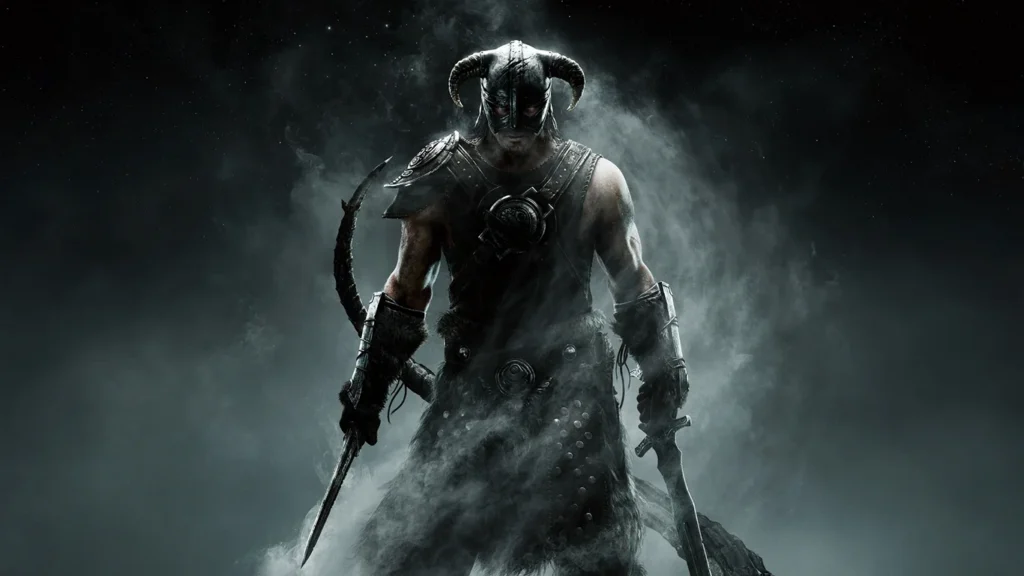

But what truly made Origins stand out was Bayek of Siwa, the last Medjay — a protector, warrior, and grieving father. His story wasn’t just about revenge or rebellion. It was a deeply personal journey of loss, purpose, and legacy, one that laid the foundation for the birth of the Assassin Brotherhood.
Even today, Bayek’s tale feels intimate and grounded, reminding players that before the creed came the man — a father who fought for justice in a land ruled by gods and tyrants.
2. Ancient Egypt — The True Star of the Game
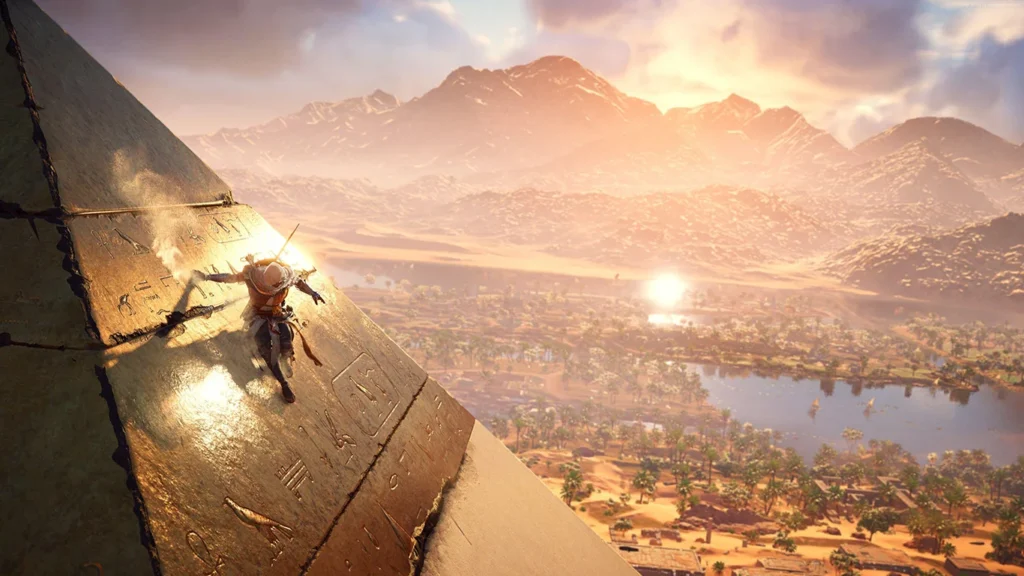
Set in Ptolemaic Egypt, Origins is not merely a visual spectacle; it’s a living, breathing museum of ancient life. From the golden sands of the Siwa Oasis to the bustling streets of Alexandria, every corner feels meticulously crafted.
What makes it timeless is the sense of authenticity. The landscapes aren’t just beautiful; they’re historically and culturally immersive. Ubisoft’s use of real archaeological data, expert historians, and 3D mapping helped recreate Egypt as no game had before.
Players can:
- Sail the Nile River at sunrise while hippos wade nearby
- Explore hidden tombs inspired by real ancient designs
- Witness everyday life — farmers, merchants, priests — all rendered with realism
And thanks to the Discovery Tour Mode, players can explore without combat, turning the game into an interactive historical documentary. Even in 2025, schools and historians continue to use this mode for educational purposes.
3. The Art of Timeless Visuals
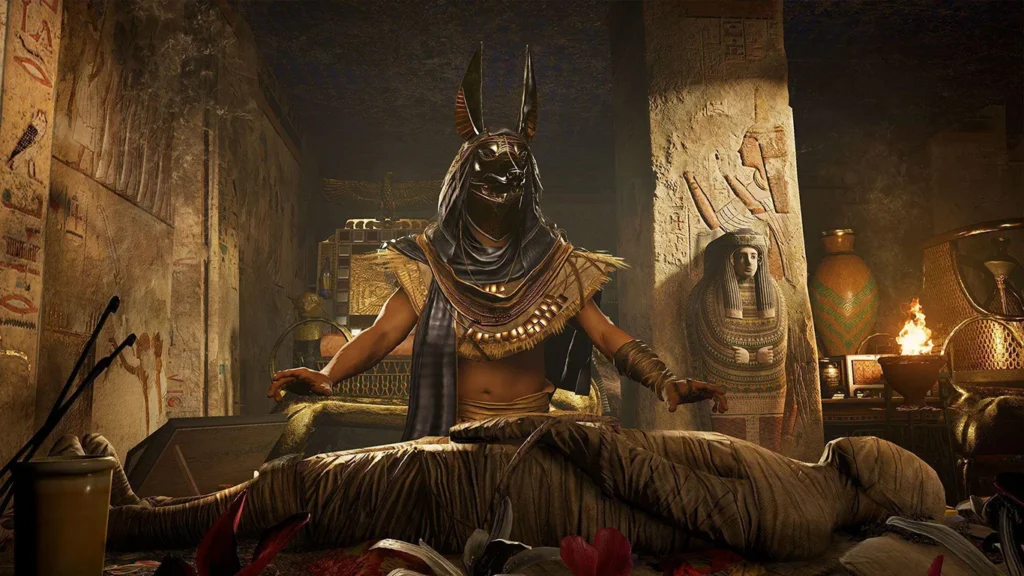
Though it’s been nearly a decade, Assassin’s Creed Origins still rivals many modern games in visual fidelity. The game’s AnvilNext 2.0 engine delivered cinematic lighting, realistic textures, and breathtaking draw distances long before 4K gaming became standard.
The way sunlight scatters over the dunes, how dust dances in the air, and the ripples across the Nile — all these visual details make Origins feel alive.
When compared to later titles like Valhalla or Mirage, Origins retains a unique charm. It’s not overly crowded or fast-paced; it lets players breathe, wander, and simply exist in the world.
Ubisoft’s decision to focus on natural beauty over technological flashiness is why, even today, players on next-gen consoles revisit Egypt in 60fps glory — and it still feels new.
4. Bayek — The Soul of the Creed
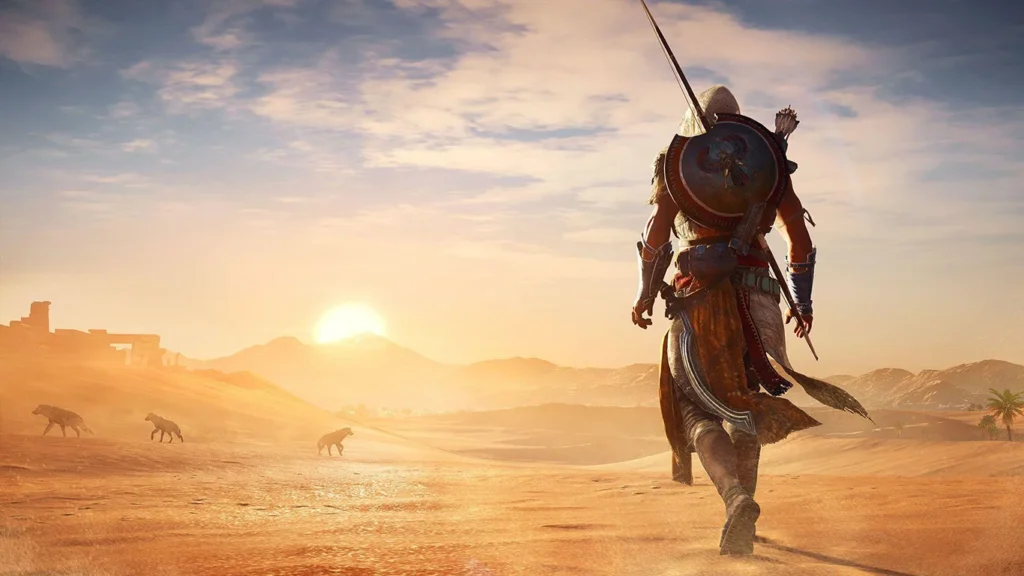
Many fans consider Bayek of Siwa the most human Assassin in the entire franchise. His emotional arc transcends the usual “hero vs. villain” dynamic.
He’s not a chosen one. He’s a man shaped by tragedy, vengeance, and duty — yet constantly torn between them. His bond with Aya (later known as Amunet) adds layers of complexity, merging love, betrayal, and destiny into one of Ubisoft’s most compelling relationships.
Players don’t just control Bayek; they feel his pain. His voice, motion-captured performance, and moral conflict bring rare emotional depth to an open-world game.
In 2025, when storytelling in games often leans on spectacle or multiple endings, Bayek’s story stands out for one simple reason — it’s sincere. His journey feels earned, and that emotional honesty keeps players coming back.
A Soundtrack That Echoes Eternity
The haunting score by Sarah Schachner is another reason Origins feels timeless. From soft flute melodies echoing across the desert to tense battle drums, the soundtrack captures Egypt’s dual nature — divine beauty and deadly mystery.
Tracks like “Bayek of Siwa” and “Ezio’s Legacy (Origins Version)” remain fan favorites years later. Many players even use the soundtrack for studying, meditation, or inspiration because it so perfectly blends history, emotion, and atmosphere.
Music in Origins doesn’t just accompany gameplay; it elevates it, transforming exploration into poetry.
5. Evolving Combat That Still Feels Rewarding
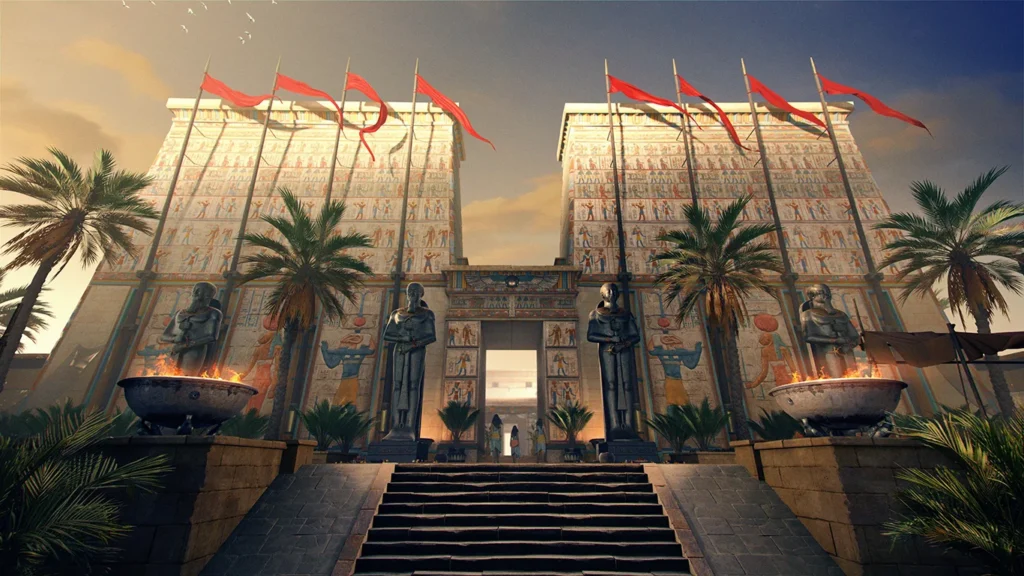
One of the biggest overhauls in Origins was its combat system. Gone were the old parry-based mechanics — replaced by a dynamic, hitbox-driven system similar to Dark Souls.
Each weapon felt unique:
- Curved swords (khopesh) for agility
- Heavy maces for crushing power
- Spears for reach and precision
- Bows for ranged stealth kills
Even years later, players praise Origins for its balanced and fluid combat. It’s not as fast as Odyssey’s nor as restricted as Valhalla’s, striking a perfect middle ground that rewards both stealth and aggression.
6. Ubisoft’s Most Meaningful World Design
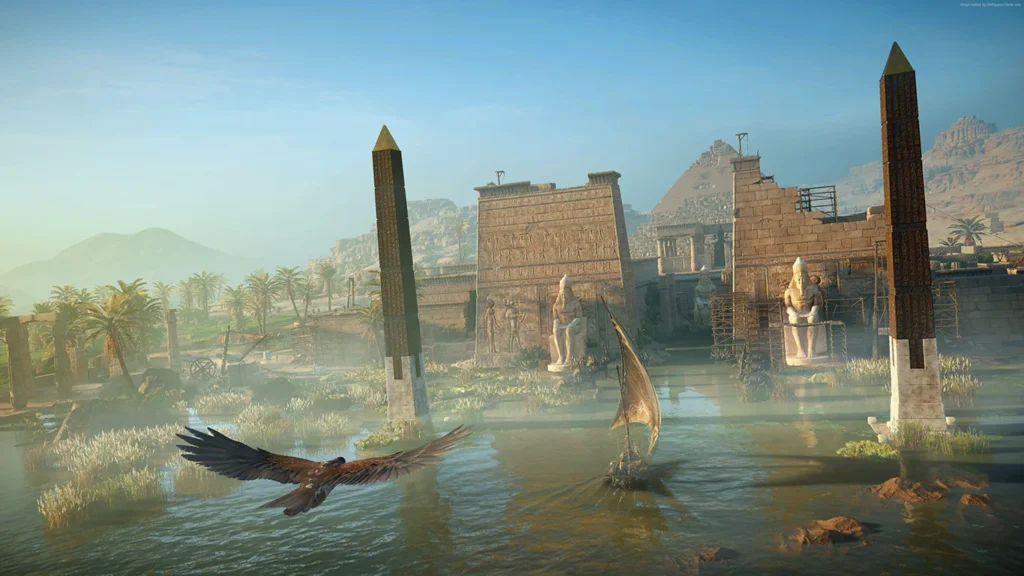
What sets Origins apart is its world design philosophy. Every side quest has a purpose — revealing something about Egyptian society, morality, or mythology.
You’ll encounter stories of:
- Farmers oppressed by tax collectors
- Priests struggling to maintain faith
- Soldiers haunted by guilt
Unlike later Ubisoft titles that leaned heavily into grind mechanics, Origins keeps a soulful balance between gameplay and storytelling. Even small NPCs feel human, not just quest markers.
The world isn’t built for speedruns; it’s built for discovery.
The Legacy It Left Behind
When Assassin’s Creed Origins launched, it redefined the franchise. It paved the way for Odyssey, Valhalla, and even the more narrative-driven Mirage.
However, none have quite captured the spirit of Origins — its emotional depth, cultural richness, and patient world-building.
In fact, many fans on Reddit and gaming forums still rank Origins as the “perfect balance” between RPG and traditional Assassin’s Creed gameplay.
It wasn’t just a game — it was the rebirth of a legacy.
In 2025, the gaming landscape is dominated by photorealistic engines, AI-driven narratives, and constant live-service updates. Yet, Assassin’s Creed Origins continues to be played, streamed, and modded.
Why? Because timeless games aren’t about technology — they’re about emotion, identity, and wonder.
Bayek’s story remains relatable, Egypt’s beauty remains mesmerizing, and Ubisoft’s craftsmanship remains unmatched. It’s the kind of game that reminds us why we fell in love with gaming in the first place: to explore worlds that feel ancient yet eternal.
The Sand Never Ages
Eight years after release, Assassin’s Creed Origins hasn’t aged — it’s matured. Like the pyramids it showcases, it stands as a monument to timeless design, storytelling, and artistry.
Whether you’re a long-time fan or a new player discovering Bayek’s world in 2025, one truth endures — some legends never fade.
About the Author