Some anime entertain you. Others change you. The best series endings are not about happy or sad conclusions — they’re about closure, loss, and the bittersweet reflection of life itself. From heartbreak to hope, these finales transcend genres, leaving millions of fans speechless, teary-eyed, or questioning everything they thought they knew.
In this editorial, we revisit 10 anime series that mastered the art of emotional storytelling, each with an ending powerful enough to linger for years. Whether it’s a tragic goodbye, a poetic redemption, or an existential resolution, these shows prove that anime isn’t just entertainment — it’s emotional cinema in animated form.
1. Attack on Titan (2013–2023)
“The Price of Freedom Is Always Blood.”
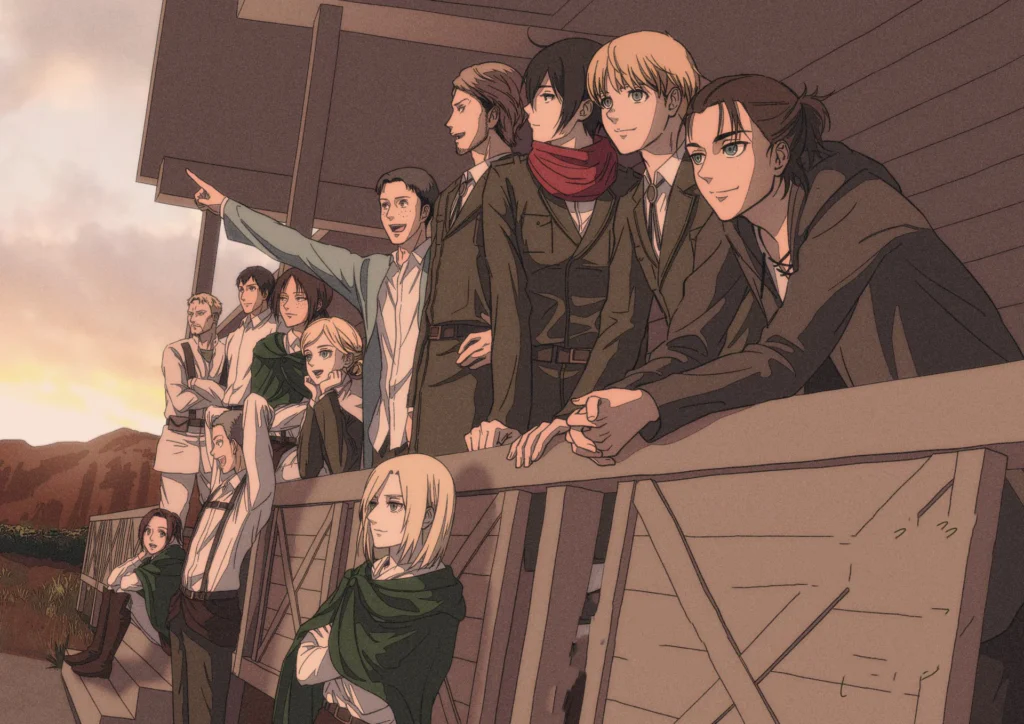
Few anime have ever captured the human condition like Attack on Titan. What began as a survival horror about humanity trapped behind walls evolved into one of the most profound political and philosophical dramas in anime history. By its finale, Attack on Titan had become a meditation on war, morality, and the inevitability of violence.
Eren Yeager’s transformation from idealistic hero to destructive revolutionary was as tragic as it was inevitable. His decision to unleash the Rumbling — annihilating most of humanity — shattered every definition of heroism. The world’s reaction to his actions mirrored the real-world tension between freedom and tyranny, self-preservation and justice.
The finale didn’t seek to comfort; it sought to confront. Eren’s death was not redemption but resignation — a recognition that his vision of peace demanded a monstrous price. Yet, as Mikasa laid him to rest beneath the tree where their story began, the narrative circled back to its origin — the same horizon of freedom that once inspired a boy now haunted by his choices.
The haunting montage of memories, Eren’s quiet tears, and Mikasa’s final goodbye created a symphony of sorrow and closure. The world may have been freed from Titans, but humanity remained shackled to the same cycle of hate.
It’s a philosophical ending, echoing Dostoevsky’s moral ambiguity — a masterpiece of emotional complexity.
2. Clannad: After Story (2008–2009)
“Life is both pain and miracle.”
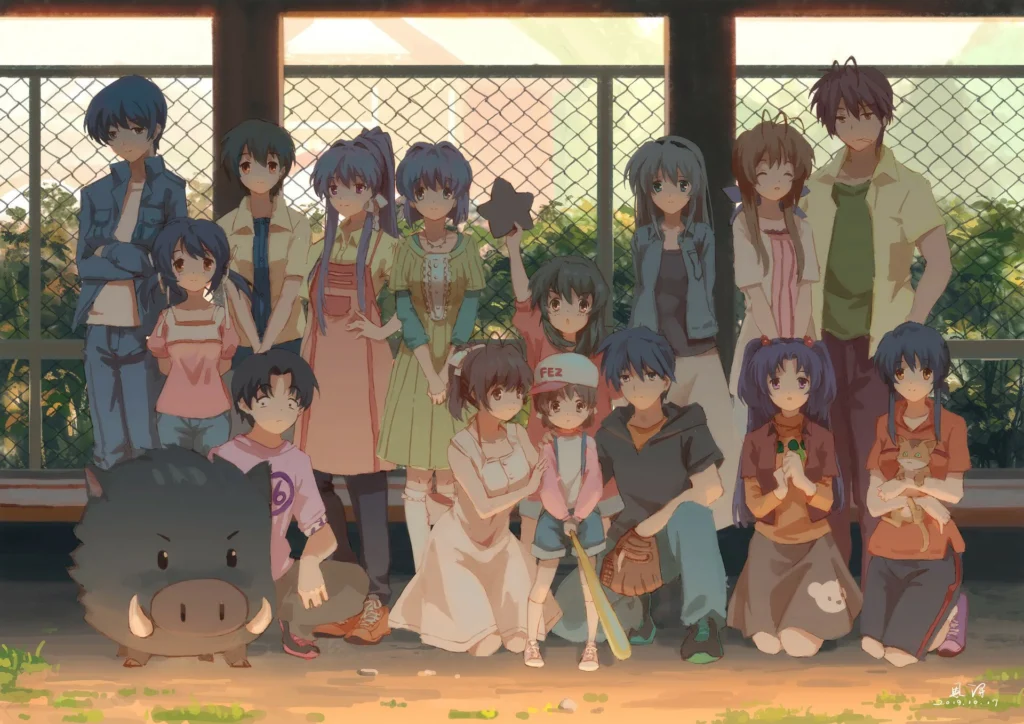
No anime captures the bittersweet ache of living quite like Clannad: After Story. What begins as a humble slice-of-life romance slowly transforms into a spiritual exploration of family, loss, and the meaning of existence.
At the heart of the series is Tomoya Okazaki, a young man shaped by loneliness, whose love for Nagisa Furukawa becomes his path to redemption. Their marriage and the birth of their daughter Ushio promise a happy future — until tragedy strikes. Nagisa’s death in childbirth breaks the illusion of safety the story so carefully built, thrusting Tomoya into despair and emotional paralysis.
Years later, Tomoya’s reunion with Ushio rekindles a fragile spark of hope. Their tearful journey to the countryside, where he finally opens his heart, remains one of the most emotionally devastating moments in anime history. But Clannad: After Story doesn’t end there — it transcends sorrow with a supernatural twist. Through a miraculous rewriting of fate, Tomoya is given a second chance, his love and pain interwoven in a cosmic cycle that restores everything he lost.
The ending symbolizes the eternal connection between human souls — that love, no matter how tragic, never fades but reverberates across time.
A poetic expression of life’s cyclical beauty. Clannad proves that tears and hope can coexist.
3. Your Lie in April (2014–2015)
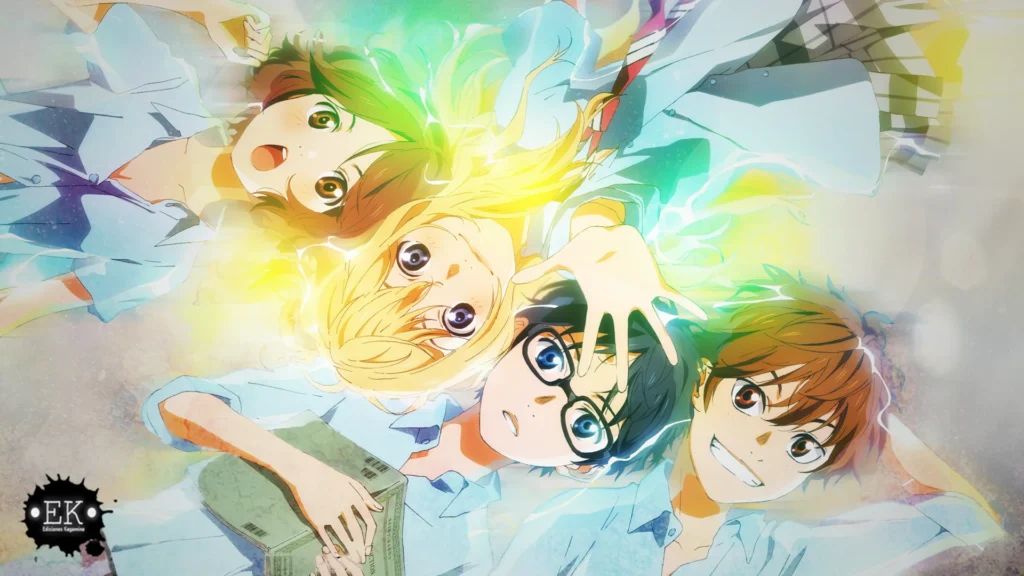
“She lied — but her music told the truth.”
A story of music, loss, and young love that ends not with a confession, but a letter. Kaori’s farewell to Kousei was simple, devastating, and eternal.
The final piano performance is both a requiem and rebirth — as her spirit fades, Kousei learns to play for the world again. It’s tragedy in the most human sense.
Emotionally calibrated and narratively circular, Your Lie in April captures the purity of love and loss without sentimentality.
4. Violet Evergarden (2018)
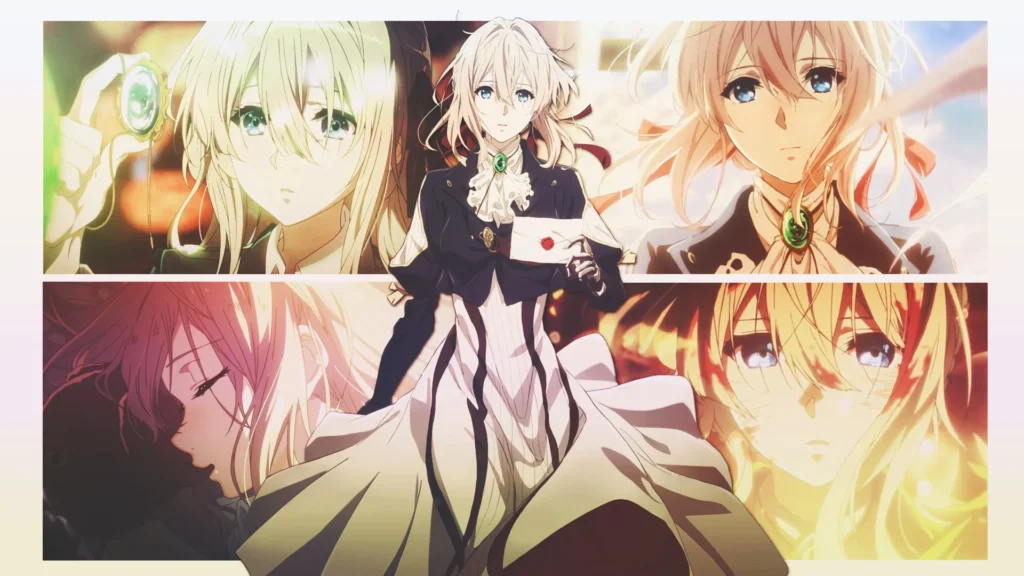
“Can someone who has killed still understand love?”
The finale of Violet Evergarden isn’t about explosions or revelations — it’s about quiet humanity. Violet’s transformation from emotionless soldier to compassionate letter-writer peaks in a moment of pure empathy.
When she finally understands “I love you,” every episode before it gains new meaning. The emotional restraint, voice acting, and visuals elevate this ending into a visual elegy.
A study in emotional literacy — where silence and tears say more than dialogue ever could.
5. Code Geass: Lelouch of the Rebellion (2006–2008)
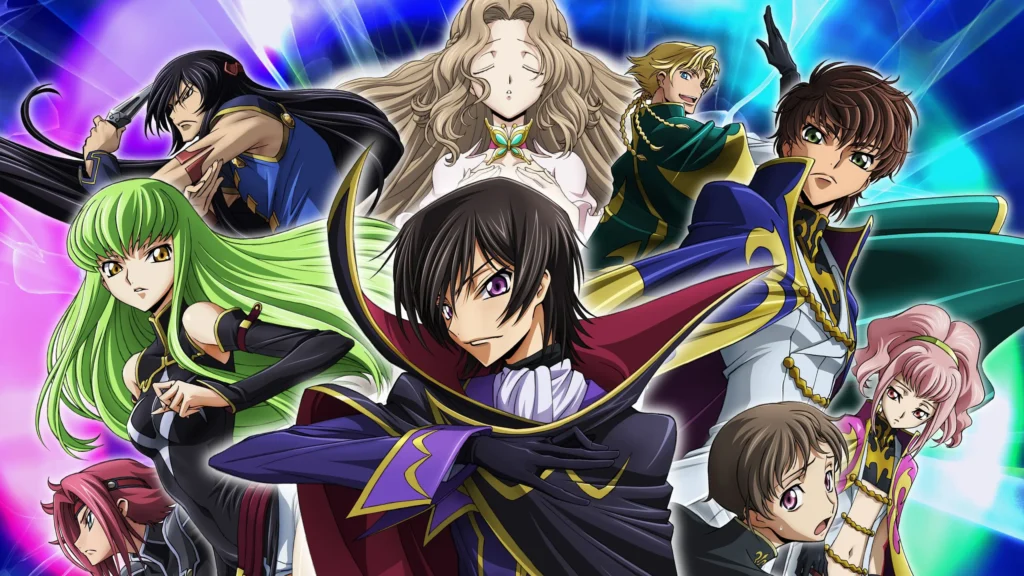
“A villain who became a savior.”
Code Geass didn’t end; it executed perfection. Lelouch’s plan — becoming the villain to unite the world — culminated in his own death, orchestrated by him. His final smile, the world’s peace, and the theme of sacrificial leadership created one of anime’s most haunting conclusions.
Even years later, the “Zero Requiem” remains one of the most discussed and emotionally charged finales in anime history.
A Shakespearean ending — political tragedy meets emotional absolution.
6. Anohana: The Flower We Saw That Day (2011)
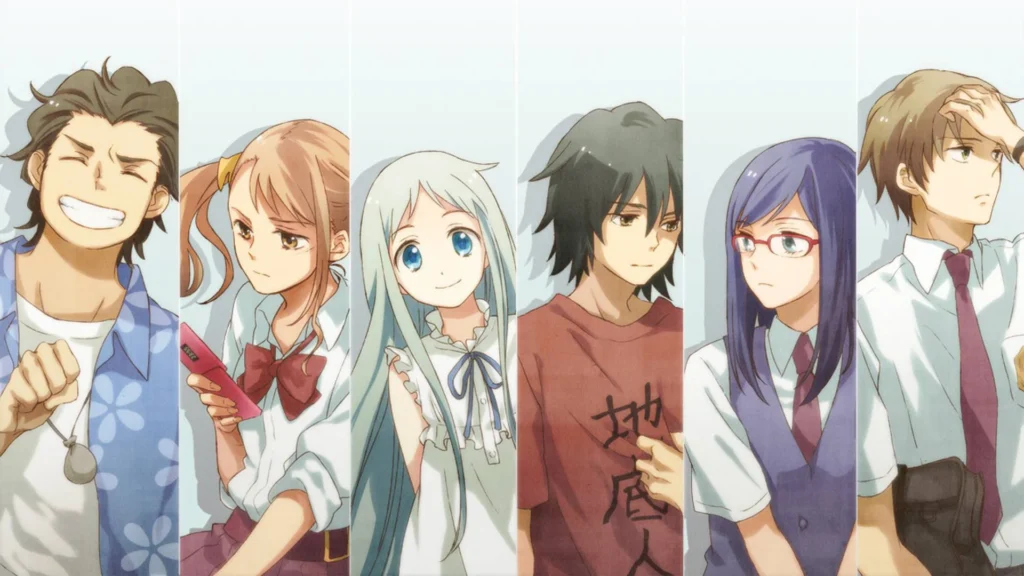
“We found her, but it was too late.”
Few anime endings hit as hard as Anohana’s. When the group finally sees Menma’s ghost and says goodbye, years of guilt, friendship, and longing collide into one tear-soaked scene.
It’s the kind of ending that doesn’t fade — it haunts you. The message? Growing up means learning to let go, even when it hurts.
A profound exploration of grief and reconciliation — minimalistic, but emotionally volcanic.
7. Death Parade (2015)
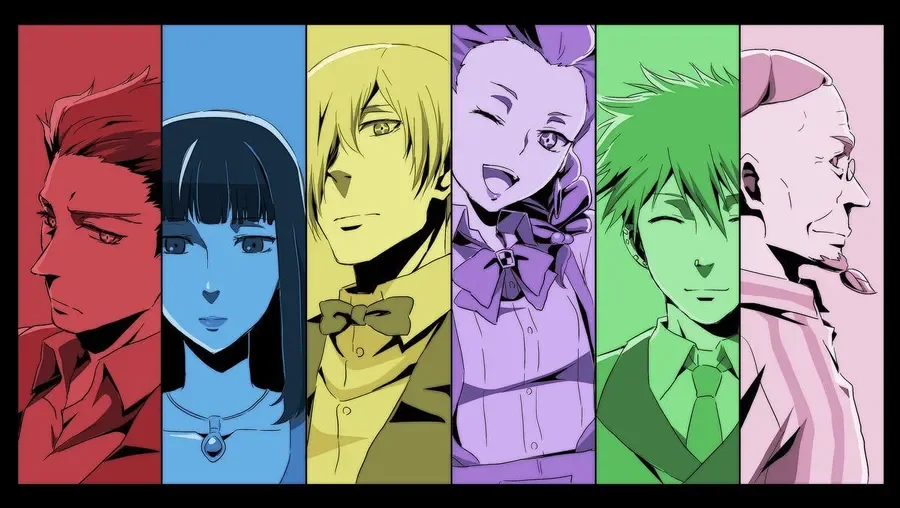
“Every judgment is a mirror.”
The emotional impact of Death Parade lies in its quiet ending — Decim’s understanding of humanity. When the emotionless arbiter finally cries, it’s not just his revelation; it’s ours.
The finale is both unsettling and serene, challenging the audience to confront morality itself.
Existential and elegant — Death Parade transforms judgment into compassion.
8. Banana Fish (2018)

“Freedom costs everything.”
Ash Lynx’s fate was sealed the moment he found peace. His death in the library — tragic yet serene — was a poetic metaphor for liberation.
The love between Ash and Eiji, unspoken yet profound, transcends gender and time. The ending leaves a void that feels almost sacred.
A sociopolitical tragedy masked as a crime drama — Banana Fish ends like a requiem for lost innocence.
9. Made in Abyss (2017–2022)
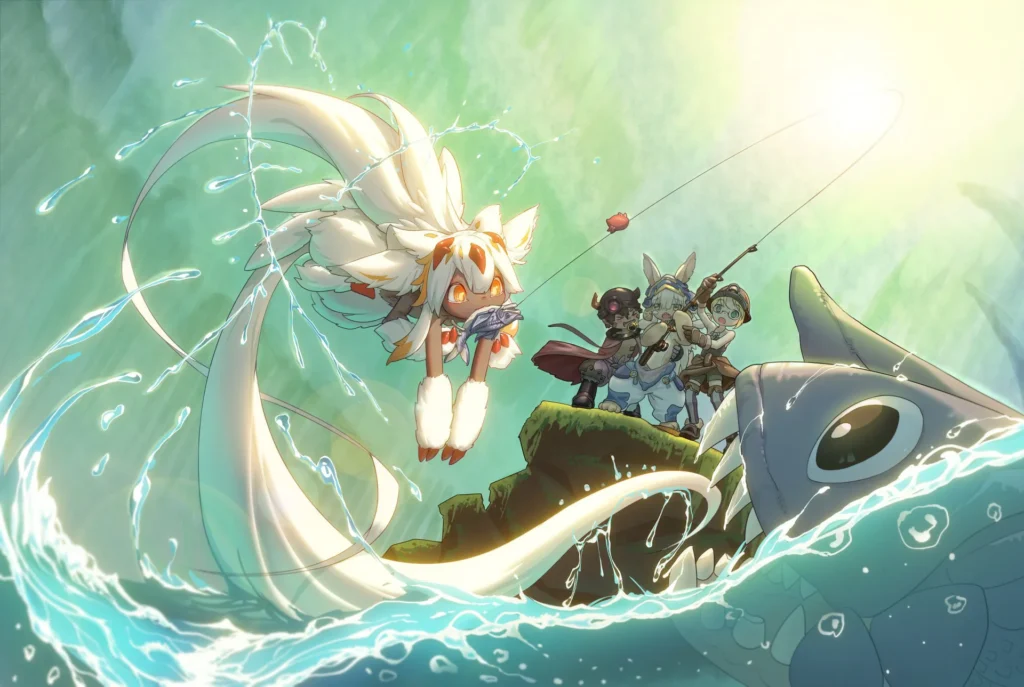
“Wonder and horror are twins.”
The deeper you go, the heavier the truth. Made in Abyss ends with a chilling mix of beauty and despair — its childlike aesthetic masking unbearable sorrow.
Its final arc, filled with loss and discovery, leaves viewers emotionally drained but philosophically awakened.
A meditation on the price of curiosity — where emotional terror becomes transcendence.
10. Neon Genesis Evangelion (1995–1996 / Rebuild 3.0+1.0)
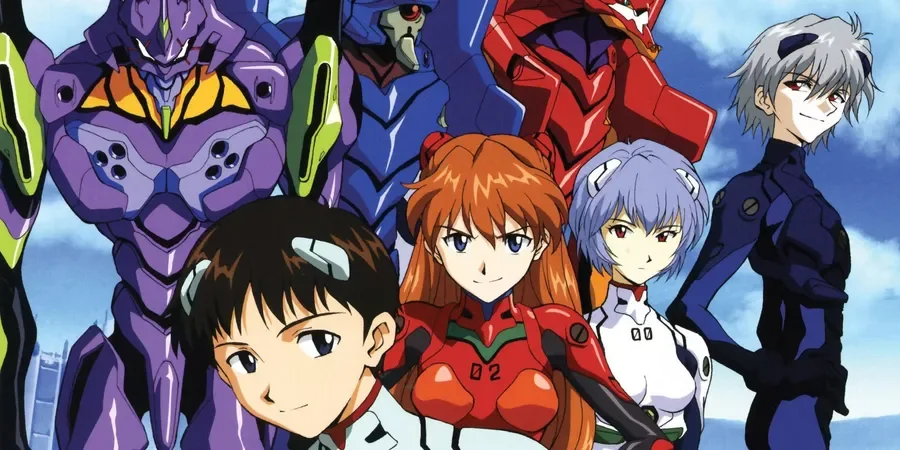
“Congratulations… for letting go.”
Evangelion’s ending was never meant to comfort. It dismantled its genre, its audience, and even itself. The original series finale was introspective chaos — psychological therapy animated.
But the Rebuild finale (Thrice Upon a Time) finally gave Shinji peace. It wasn’t happy. It was human. After decades, the circle closed.
A masterpiece of self-liberation — ending not with destruction, but acceptance.
The greatest anime endings aren’t just finales — they’re reflections of human experience. They close stories but open emotions. They make us cry, think, and sometimes heal.
From Attack on Titan’s moral weight to Clannad’s rebirth and Evangelion’s acceptance, each of these series reminds us that the end is never truly the end. It’s a mirror — showing who we are when the credits fade.
About the Author