The Fascination with Time Travel: A Journey Through Science and Fiction
Time travel has been one of the most intriguing concepts in science fiction, philosophy, and even theoretical physics. The idea of moving freely across time, just like we move through space, captivates the human imagination. From ancient myths to modern scientific theories, the possibility of altering the past or witnessing the future is a subject that continues to inspire both fear and hope.
But is time travel truly possible? Could science one day turn this fantasy into reality? Or will it forever remain a theoretical concept, restricted to books, movies, and wishful thinking? Let’s dive deep into what we know—and what we dream—about time travel.
Ancient Myths and the Earliest Concepts of Time Travel
Long before Einstein and modern physics, various cultures had their own versions of time travel in mythology and folklore.
- The Hindu Mahabharata tells the story of King Kakudmi, who traveled to the heavens to seek a groom for his daughter. When he returned, thousands of years had passed on Earth.
- The Japanese Tale of Urashima Tarō describes a fisherman who visits an underwater palace. When he returns, he finds that centuries have passed, even though he only spent a few days there.

- The Rip Van Winkle Effect in Western folklore features individuals falling into deep sleep or being enchanted, only to wake up in a distant future.
These tales suggest that humans have always wondered about time and its manipulation.
Time Travel in Science Fiction: How Pop Culture Shaped Our Beliefs
The idea of time travel became even more popular with the rise of science fiction in literature and film. Some of the most famous works include:
- H.G. Wells’ “The Time Machine” (1895) – The novel introduced the concept of a machine capable of moving through time, inspiring countless future stories.
- Doctor Who (1963-Present) – The British TV series explores time travel through the adventures of the Doctor, a Time Lord with a ship called the TARDIS.
- Back to the Future (1985) – This classic film series showcased time travel in a humorous yet thought-provoking way, with Marty McFly altering the timeline using a DeLorean.
- Interstellar (2014) – This film explored real physics-based time dilation, where time moves slower for those traveling at high speeds or near massive gravitational objects.
Fiction has shaped our expectations of time travel, but how does science compare?
The Science of Time Travel: Is It Possible?
Theoretical physics suggests that time travel might not be entirely impossible. Here are some of the most promising scientific theories:
Einstein’s Theory of Relativity
Albert Einstein’s Theory of Special and General Relativity suggests that time is not absolute but relative. This means that time passes differently for observers depending on their speed and gravitational field.
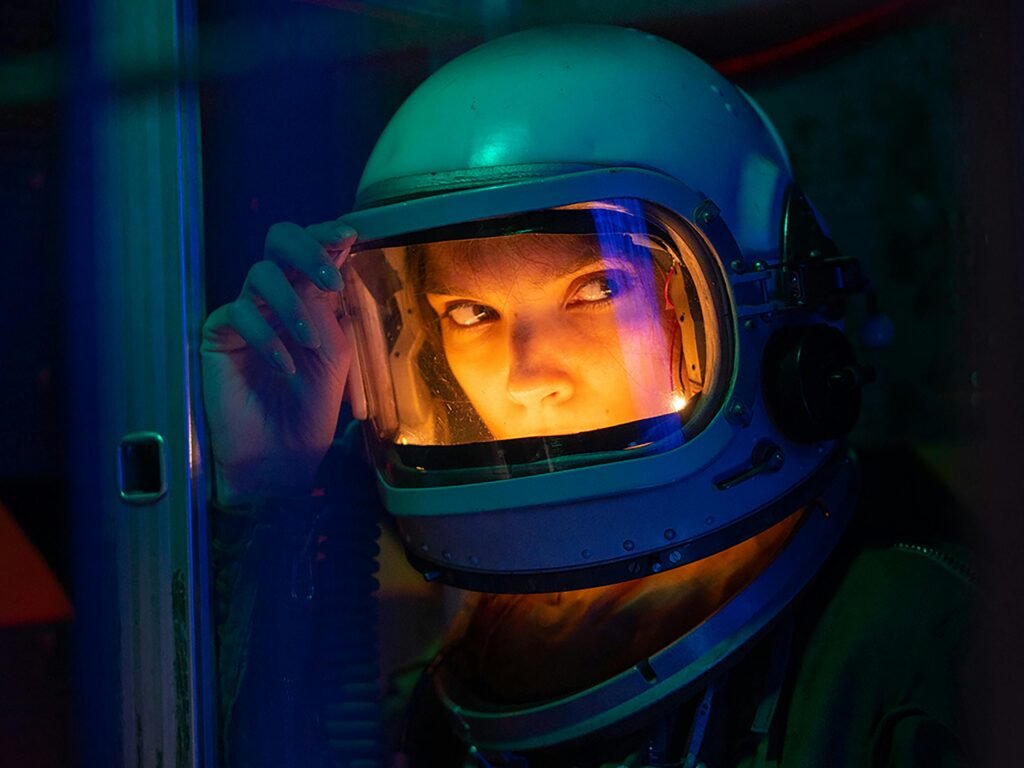
- Time Dilation: Astronauts traveling near the speed of light would experience time more slowly than people on Earth. If you traveled at 99% the speed of light for one year, you could return to find that decades had passed on Earth.
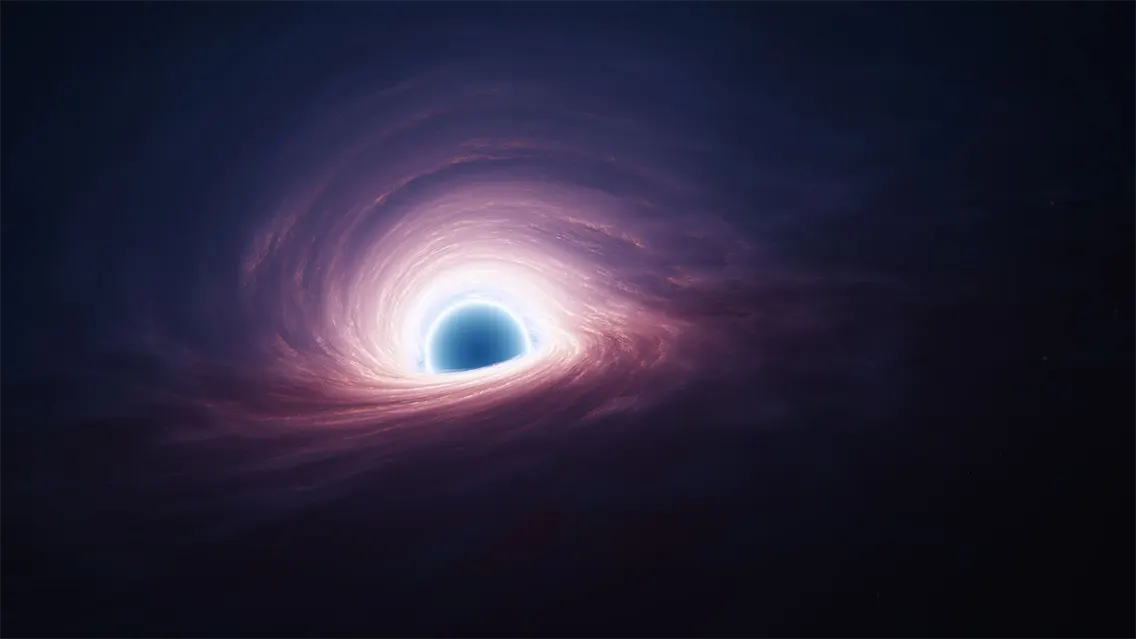
- Gravitational Time Dilation: The closer you are to a massive object (like a black hole), the slower time moves for you compared to someone further away.
Wormholes: Cosmic Shortcuts
Physicists speculate that wormholes—hypothetical tunnels through spacetime—could allow travel between different points in time. However, the problem is keeping them stable long enough for a person or spacecraft to pass through.
The Grandfather Paradox and Alternate Timelines
One of the biggest debates in time travel is the Grandfather Paradox—what happens if you go back in time and change something that prevents your own existence? This paradox suggests two possible solutions:
- The Many-Worlds Interpretation: Every time a traveler changes the past, a new parallel timeline is created.
- The Self-Consistency Principle: Time travelers cannot alter history because events always align in a way that preserves the past.
Real-World Experiments and Theories About Time Travel
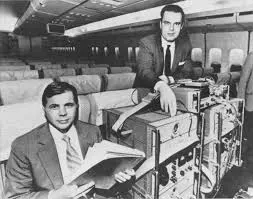
Scientists have already conducted experiments that support some aspects of time dilation:
- The Hafele-Keating Experiment (1971): Two atomic clocks were flown around the world in opposite directions. Upon their return, the clocks showed small time differences, proving time dilation in action.
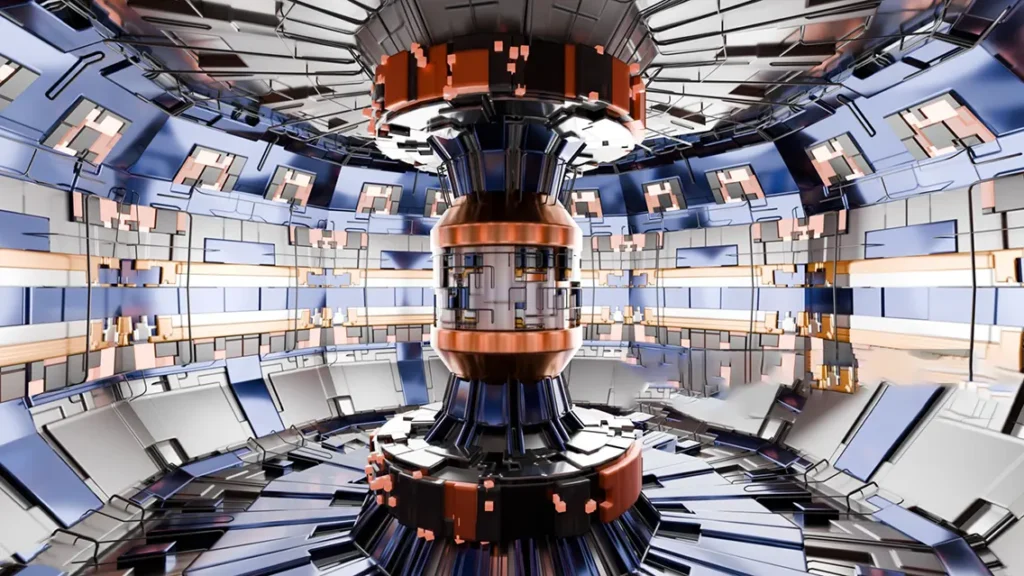
- The Large Hadron Collider (LHC): While not a time machine, high-energy particle collisions simulate conditions of the early universe and could give insight into spacetime manipulation.
- Muon Decay Experiments: High-speed subatomic particles called muons live longer than expected due to time dilation, supporting Einstein’s theory.
While we have yet to build a real time machine, these experiments hint at time behaving differently under extreme conditions.
The Future of Time Travel: Will It Ever Be Possible?
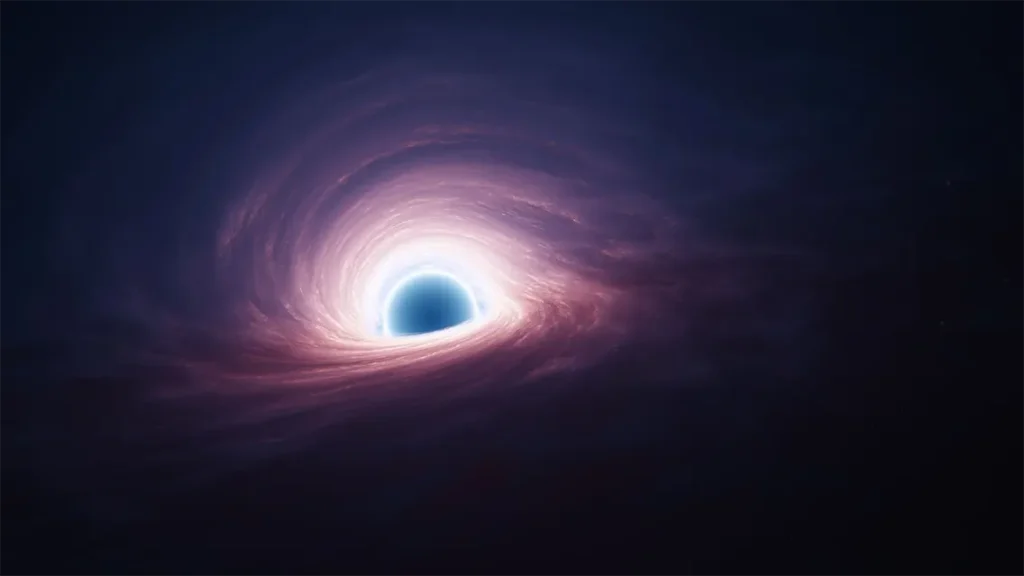
While we are far from building a time machine, future advancements in physics and space exploration could bring us closer. Some potential developments include:
- Harnessing Quantum Mechanics: Future discoveries in quantum physics might provide new ways to manipulate time.
- Advanced Space Travel: If humanity builds ships that can travel near light speed, astronauts could experience time travel relative to Earth.
- Artificial Wormhole Creation: If scientists can stabilize wormholes, they could become usable for time travel.
The biggest challenges are the energy requirements, stability issues, and paradoxes involved. But with enough time (pun intended), who knows what we might achieve?
The Philosophical Debate: Should We Even Attempt Time Travel?
Even if time travel becomes possible, there are ethical concerns:
- Changing the Past: If people could alter history, would we risk causing unintended consequences?
- Future Knowledge: Would knowing the future make life meaningless?
- Exclusivity: If only a few had access to time travel, how would it affect society?
These philosophical questions make the topic even more fascinating.
While time travel remains theoretical, its impact on culture, science, and imagination is undeniable. Whether through Einstein’s equations, wormhole theories, or futuristic technology, humanity continues to push the boundaries of what’s possible.
So, will we ever build a working time machine? Only time will tell.
About the Author