The Marvel Multiverse is filled with countless worlds, realities, and timelines — and for every hero that rises, an even stronger villain emerges. From cosmic entities to timeline manipulators, Marvel’s most dangerous villains are more than just threats to a single hero; they threaten the very fabric of existence. In 2025, with the MCU diving deeper into multiverse sagas and comics continuing to explore infinite realities, fans are asking one question: who are the strongest villains in the Marvel Multiverse?
Here’s a definitive ranking of the most powerful adversaries Marvel has ever unleashed

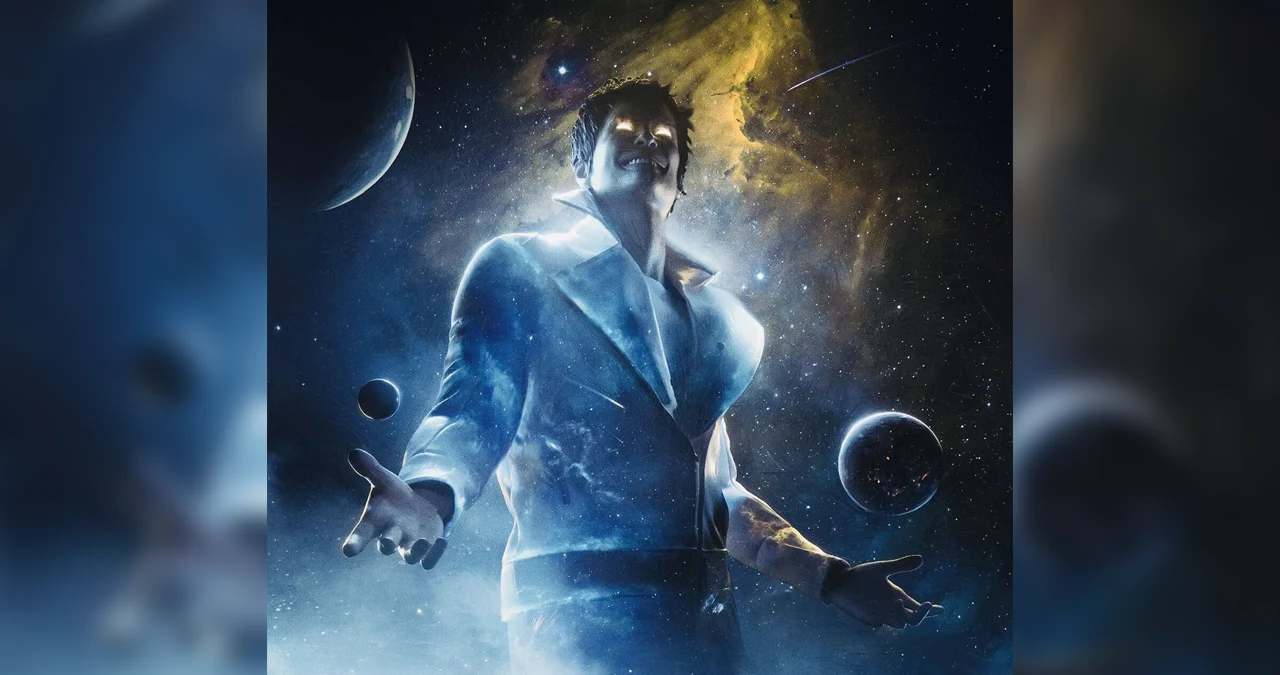
The Beyonder
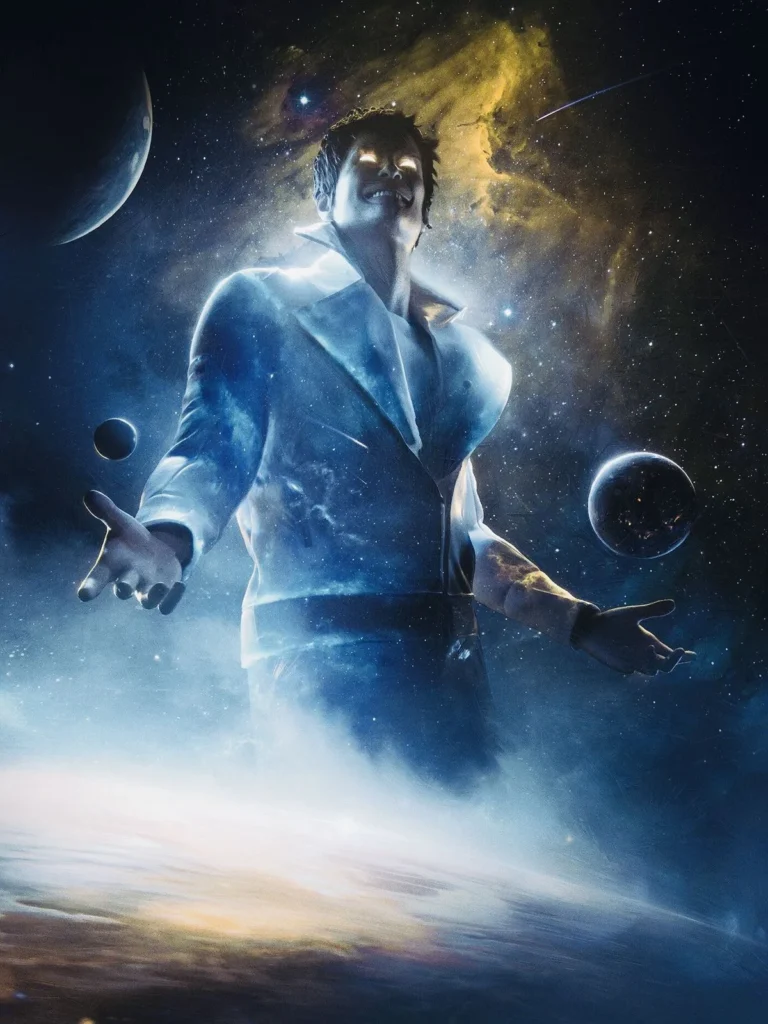
- First Appearance: Secret Wars #1 (1984)
- Why He’s the Top: The Beyonder is the ultimate “what if a god cared about humans” character. A being from beyond the multiverse, he is essentially omnipotent but childlike in curiosity. His fascination with human desire and conflict led to the iconic Secret Wars saga, where he teleported Earth’s mightiest heroes and villains onto “Battleworld” to watch them fight like chess pieces.
- Power Set: His abilities surpass most Marvel beings: multiversal reality warping, omniscience, omnipresence, and the ability to eliminate or resurrect beings with a thought. Even the likes of Galactus and the Celestials struggled against him.
- Impact: In Secret Wars, he reshaped Marvel storytelling by introducing the idea of massive crossover events where no hero was safe. Entire universes bent to his will, and heroes realized even their combined power meant nothing.
- MCU Potential: With Avengers: Secret Wars coming, fans speculate The Beyonder may be adapted as the ultimate villain. If Marvel follows the comics, his arrival would make Thanos look small in comparison.

Doctor Doom (God Emperor Doom)
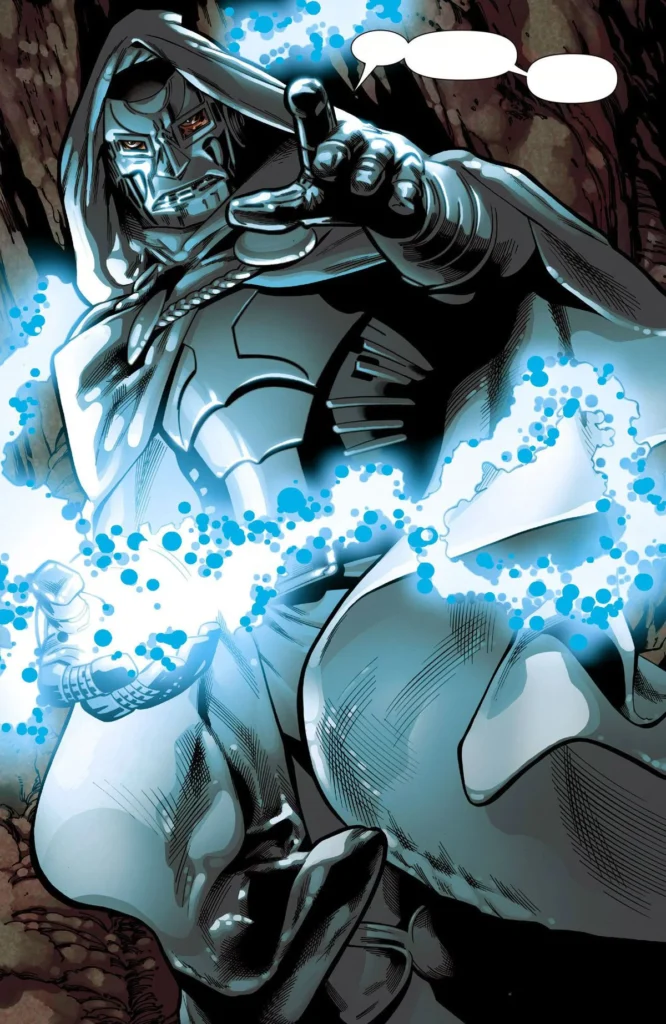
- First Appearance: Fantastic Four #5 (1962); ascended in Secret Wars (2015)
- Why He’s Here: Doctor Doom is Marvel’s most iconic human villain, feared for his brilliance, arrogance, and relentless ambition. But his true peak came during Secret Wars (2015), when he stole the power of the Beyonders and became God Emperor Doom, ruler of Battleworld — a patchwork reality he shaped in his image.
- Power Set: Doom already has unmatched intellect, mastery of sorcery, and advanced tech. As God Emperor Doom, he controlled reality itself, bending entire universes to his will. Few characters have ever dethroned him at this level.
- Impact: Doom is Marvel’s perfect mix of science and magic, ambition and tragedy. His reign as God Emperor was so terrifying that even heroes like Reed Richards and Doctor Strange had to tread carefully. His eventual defeat wasn’t through brute force but through exposing Doom’s deepest insecurities.
- MCU Potential: Fans are eagerly awaiting Doom’s MCU debut. Many predict he will serve as the Thanos-level villain of the next era, potentially tying directly into Secret Wars. His ambition could eclipse every villain before him.

Galactus, The Devourer of Worlds
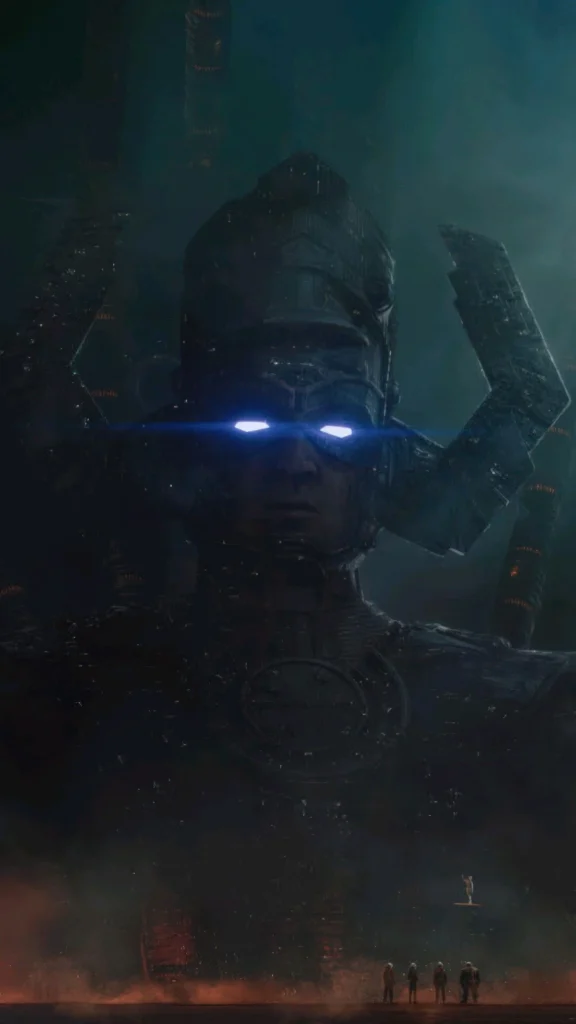
- First Appearance: Fantastic Four #48 (1966)
- Why He’s Here: Galactus isn’t evil — he’s survival itself. A cosmic entity born from the remnants of a previous universe, he must consume worlds to live. His presence has terrified galaxies for decades because where he walks, destruction follows. He is a force of balance in the cosmos, though his methods make him an enemy of all life.
- Power Set: Galactus wields the Power Cosmic, granting him reality manipulation, energy projection, telepathy, molecular control, and the ability to create heralds (like the Silver Surfer) to serve him. His size and aura alone make him awe-inspiring.
- Impact: Galactus introduced the idea that not all villains are “evil.” He’s Marvel’s ultimate natural disaster — not malicious, but unstoppable. His clashes with the Fantastic Four, Avengers, and Silver Surfer are legendary, forcing unlikely alliances just to slow him down.
- MCU Potential: With the Fantastic Four movie on the horizon, fans believe Galactus could soon make his grand debut. His arrival would make the universe itself feel small and vulnerable.

Kang the Conqueror (and Variants)
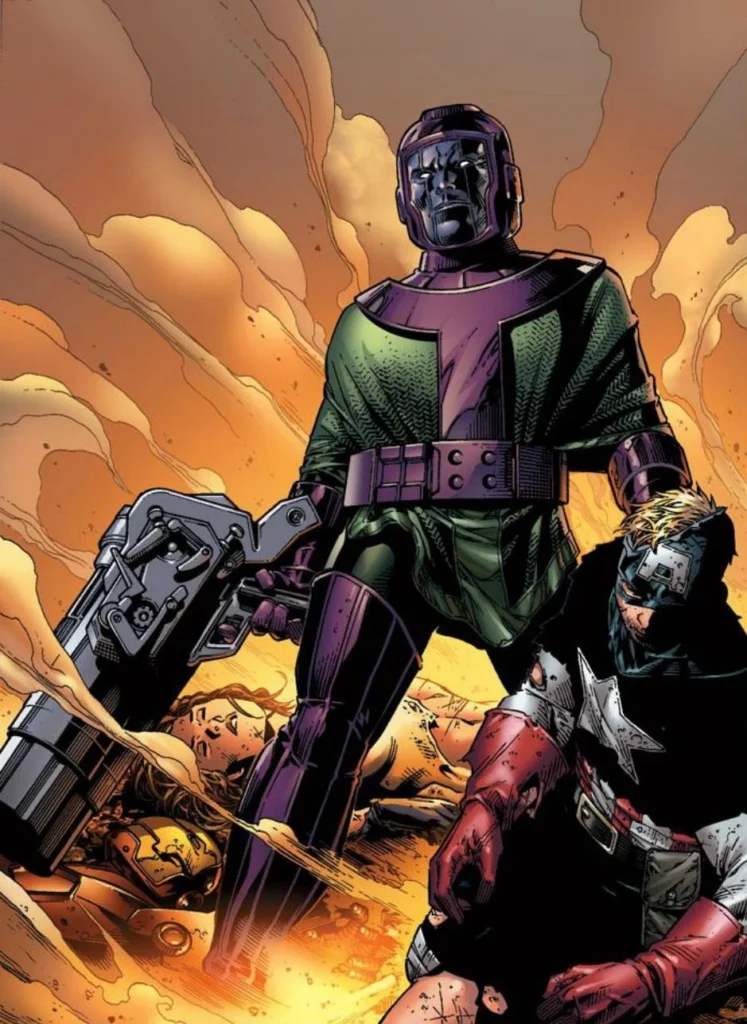
- First Appearance: Avengers #8 (1964)
- Why He’s Here: Kang is unique because his greatest weapon isn’t strength — it’s time. As a brilliant 31st-century scientist who discovered time travel, Kang became a conqueror of worlds and timelines. His variants — including Immortus, Rama-Tut, Iron Lad, and He Who Remains — each wield different roles in shaping history.
- Power Set: Time mastery, hyper-advanced technology, genius intellect, and armies gathered across centuries. He doesn’t need raw cosmic energy — he rewrites history itself to always be ahead.
- Impact: Kang is terrifying because even when you defeat him, another version of him is waiting in another timeline. In comics like Kang Dynasty, he reshaped the Avengers’ destiny multiple times.
- MCU Potential: Already teased as the next big bad in Loki and Quantumania, Kang’s multiversal war is unfolding. Whether he remains the MCU’s main villain or paves the way for Doom/Beyonder, his role shows how time itself can be a villain.

Dormammu
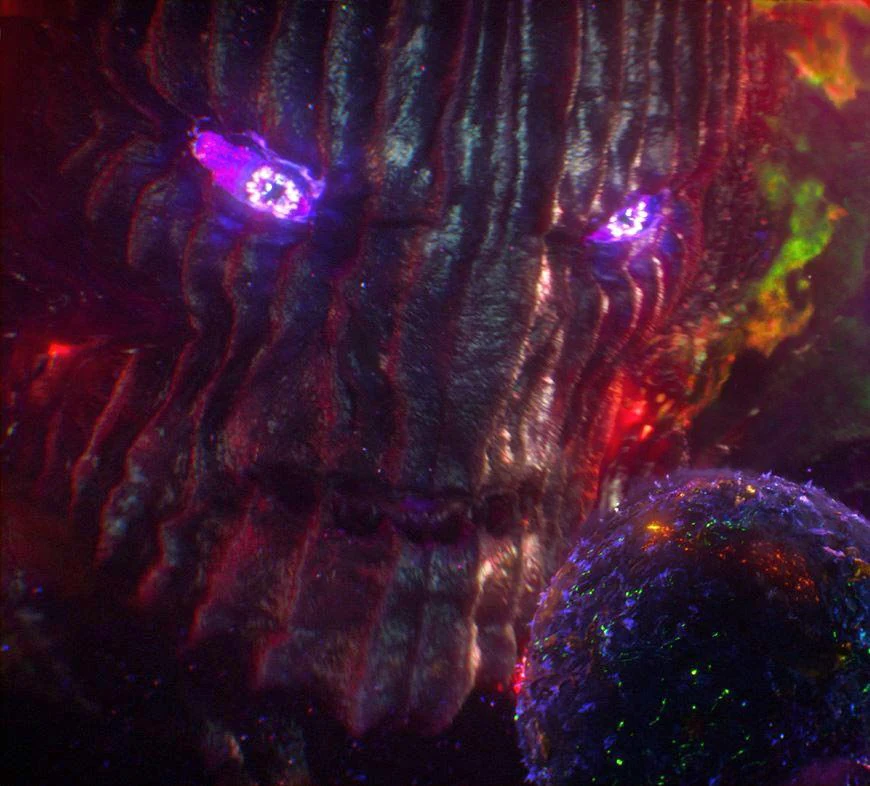
- First Appearance: Strange Tales #126 (1964)
- Why He’s Here: Ruler of the Dark Dimension, Dormammu is a being of pure mystical energy. Unlike human sorcerers, his magic is limitless inside his realm, making him nearly omnipotent. His clash with Doctor Strange in the MCU was only a small glimpse of his true power.
- Power Set: Immortality, cosmic sorcery, control of dimensions, manipulation of time and space within his domain. Dormammu can create armies of dark beings, spread corruption, and consume realities.
- Impact: Dormammu has long been the symbol of Marvel’s mystical terror. Where Thanos represents strength and Doom ambition, Dormammu embodies dark magic as an infinite force. He forces heroes like Doctor Strange to rely on wit rather than strength.
- MCU Potential: Dormammu’s cameo in Doctor Strange (2016) left fans hungry for more. Rumors suggest he may return in Doctor Strange 3 or in future mystical arcs like Midnight Sons. His full-scale appearance could shake the magical side of the MCU.

6. The Living Tribunal
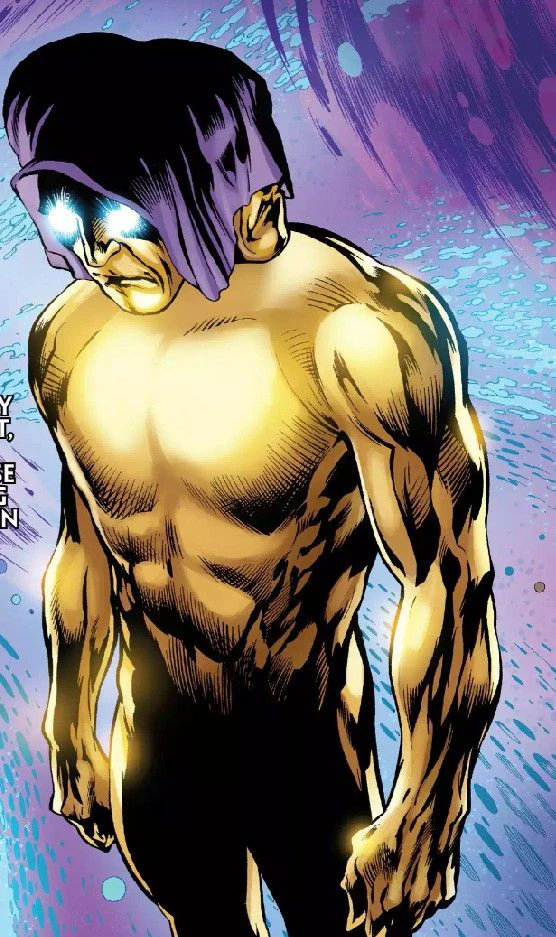
- First Appearance: Strange Tales #157 (1967)
- Why He’s Here: The Living Tribunal isn’t your everyday villain. It doesn’t conquer worlds or crush armies. Instead, it represents cosmic balance itself. Whenever a universe tips too far toward chaos or order, the Tribunal intervenes. That often means standing in direct opposition to Marvel’s heroes — even if its motives aren’t “evil.”
- Power Set: Near-omnipotence, absolute authority over multiversal laws, the ability to judge, alter, or erase entire universes.
- Impact: When the Living Tribunal shows up, readers know the story stakes just hit their peak. Entire realities are at risk. In the MCU, eagle-eyed fans spotted what looked like a Tribunal statue in Doctor Strange in the Multiverse of Madness (2022), sparking theories that its live-action debut is on the horizon. If the Tribunal enters Avengers: Secret Wars, it could redefine what “threat” means in Marvel films.

Mephisto
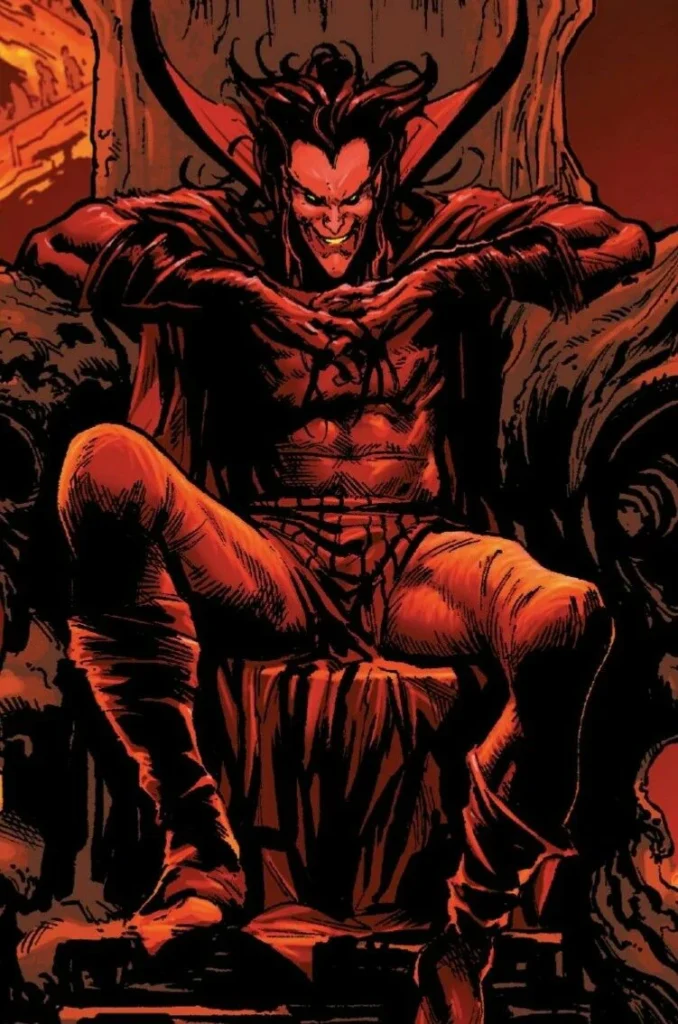
- First Appearance: The Silver Surfer #3 (1968)
- Why He’s Here: Marvel’s version of the devil thrives on manipulation. Unlike Galactus or Dormammu, Mephisto doesn’t need brute force. Instead, he twists desires, tempts heroes, and traps souls in bargains they regret. He embodies corruption — the evil that comes with compromise.
- Power Set: Immortality, soul manipulation, illusion mastery, and reality distortion inside his hellish dimension.
- Impact: Few villains have shaped Marvel’s history as much as Mephisto. He was behind Spider-Man: One More Day (2007), one of the most infamous Marvel storylines, where Peter Parker’s marriage was erased from existence. For years, fans have speculated on his MCU debut (remember the WandaVision craze in 2021?). His eventual arrival seems inevitable — and terrifying.

Onslaught
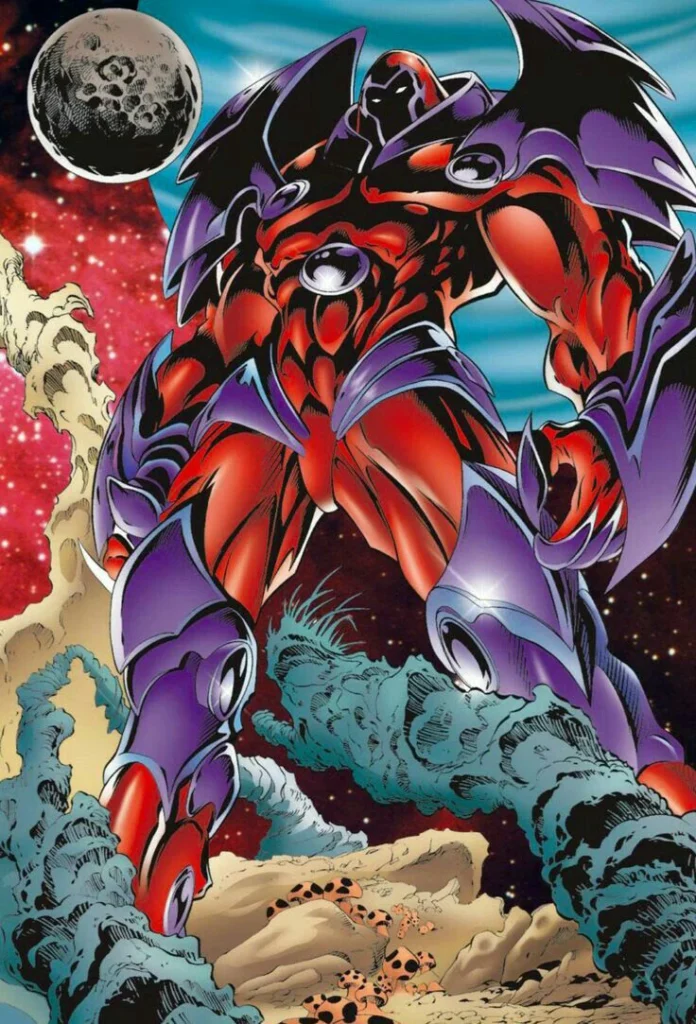
- First Appearance: X-Men #53 (1996)
- Why He’s Here: Onslaught is one of Marvel’s most unique threats, born from the darkest parts of Professor X’s mind merged with Magneto’s rage. The result? A psychic entity with godlike abilities and no moral restraint.
- Power Set: Telepathy on a global scale, devastating telekinesis, energy projection, and near-limitless psychic powers.
- Impact: Onslaught is infamous for the Heroes Reborn storyline, where the Avengers, Fantastic Four, and X-Men all had to combine forces to stop him — and even then, they failed. Nearly every major Marvel hero sacrificed themselves, cementing Onslaught as one of the deadliest creations in Marvel history. With the X-Men now folded into the MCU, many fans expect him to one day make his cinematic debut.

Ultron (Infinity Ultron Variant)
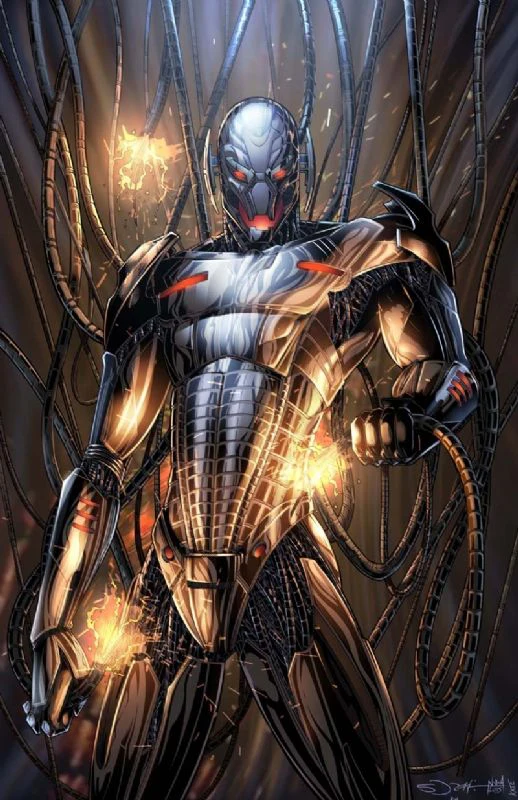
- First Appearance: Avengers #54 (1968); Variant in What If…? (2021)
- Why He’s Here: Classic Ultron is already terrifying — an AI with infinite potential to evolve and destroy. But Infinity Ultron, introduced in Marvel’s What If…? animated series, took things to another level. After defeating Thanos and claiming the Infinity Stones, Ultron became unstoppable.
- Power Set: Evolving AI intellect, indestructible robotic upgrades, and the combined might of the Infinity Stones (time, space, reality, mind, power, and soul).
- Impact: Infinity Ultron was one of Marvel’s first true “multiversal AI” villains. He didn’t just want to destroy Earth — he sought domination across every reality. Fans praised What If…? for showing just how dangerous Ultron could be if unchecked. It also opened the door for MCU variants, making fans wonder if we’ll see a live-action Infinity Ultron someday.

Thanos (Infinity Gauntlet)
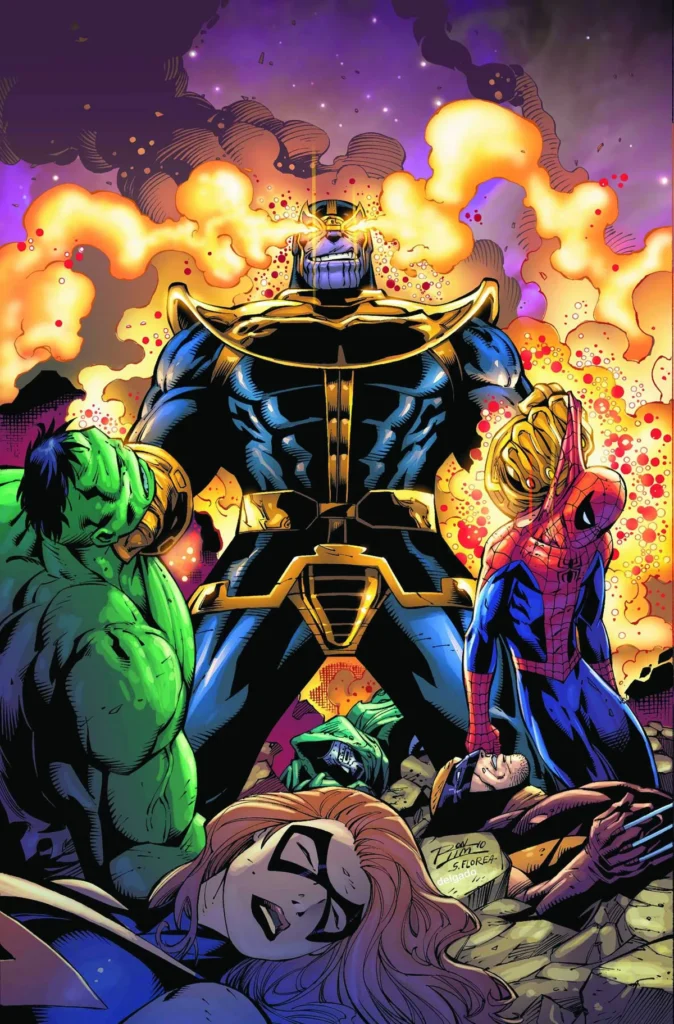
- First Appearance: Iron Man #55 (1973)
- Why He’s Here: Even without the Gauntlet, Thanos is a galactic warlord of terrifying intellect and strength. But with the Infinity Gauntlet, he became the single most famous villain in Marvel history. His iconic snap wiped out half of existence — an act that defined Avengers: Infinity War (2018).
- Power Set: Superhuman strength, tactical genius, and with the Infinity Gauntlet: complete control over time, space, reality, mind, soul, and power.
- Impact: Thanos’ comic book reign in Infinity Gauntlet (1991) set the template for one of the most successful movie sagas ever. His portrayal by Josh Brolin turned him into a cultural icon, with his chilling philosophy (“I am inevitable”) still quoted years later. While his MCU story ended in Endgame, Marvel Comics continues to explore new Thanos variants — meaning he may never be truly gone.
The Marvel Multiverse is a dangerous place, and these villains prove that evil comes in many forms — cosmic gods, time manipulators, sorcerers, and even corrupted heroes. Whether it’s The Beyonder warping reality, Doom reshaping worlds, or Thanos snapping universes, one thing is clear: Marvel’s villains are as legendary as its heroes.
About the Author