Artificial Intelligence (AI) is no longer a futuristic buzzword—it’s now shaping industries at breathtaking speed. One of the most exciting areas of this transformation is AI video generation. From quick marketing clips to educational explainers and even full-length creative projects, AI-powered video tools are rewriting how content is made, shared, and consumed.
Not long ago, creating a polished video required expensive cameras, professional editing software, and a skilled production team. Today, with AI video generators, anyone—from small business owners to teachers to content creators—can produce high-quality videos in minutes, often without picking up a camera. This rise in accessibility is changing the playing field for industries worldwide.
In this article, we’ll explore the tools driving the AI video revolution, compare platforms, discuss pricing models, highlight industry use cases, and look at what the future holds.
Why AI Video Generators Are Exploding in Popularity

Three main factors explain why AI video generators are becoming mainstream:
- Accessibility and Affordability – Professional video production is often costly. AI tools lower the barrier, making it possible for startups, educators, and creators to access studio-like quality for a fraction of the cost.
- Speed and Efficiency – What once took days of editing can now be done in minutes. AI automates tasks like trimming, subtitles, animations, and even voiceovers.
- Scalability for Content-Hungry Platforms – social media demands fresh, constant video content. AI generators can create videos at scale, allowing brands to stay active without burning out resources.
Leading AI Video Generator Platforms
Here’s a closer look at some of the most popular AI video generators in 2025 and how they compare:

Synthesia
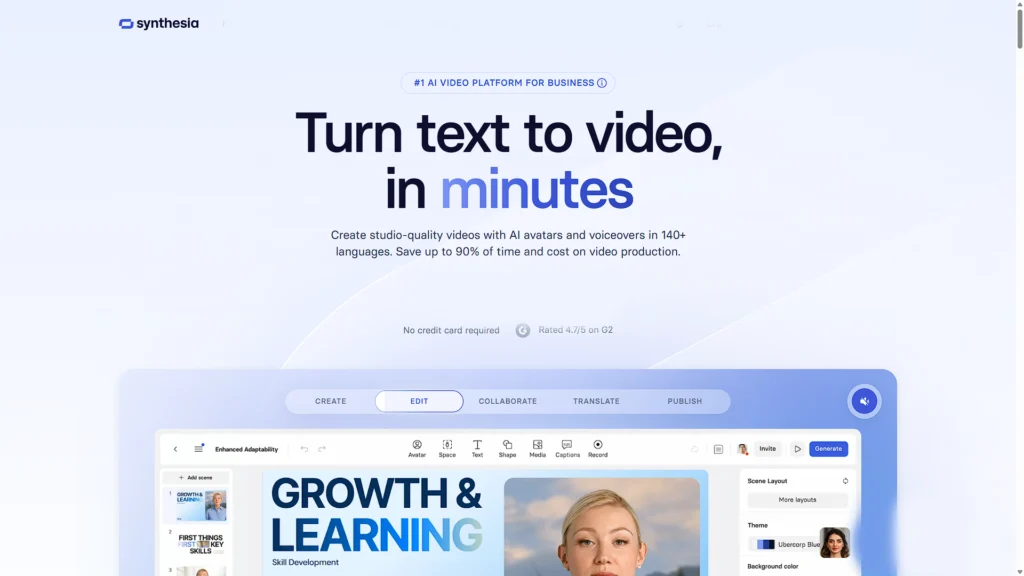
Synthesia has become one of the most popular AI video generators due to its highly realistic AI avatars and multilingual voiceover capabilities. It allows businesses to create videos featuring virtual presenters who look and speak naturally, eliminating the need for live actors. One of its standout features is the ability to translate videos into over 60 languages, making it ideal for multinational corporations looking to train global teams or share marketing content with diverse audiences. Users can also customize avatars with brand-specific attire, logos, and backgrounds to maintain brand consistency.
- Use Cases: Corporate training modules, employee onboarding, internal communications, product demos, and marketing campaigns.
- Pros: Highly realistic avatars, multilingual support, easy-to-use interface, scalable for enterprise needs.
- Cons: Some users may find the avatar range limited if they want extremely unique characters.
- Pricing: Starts at $30/month for individual use; enterprise plans scale based on video volume, number of avatars, and additional features.

Pictory
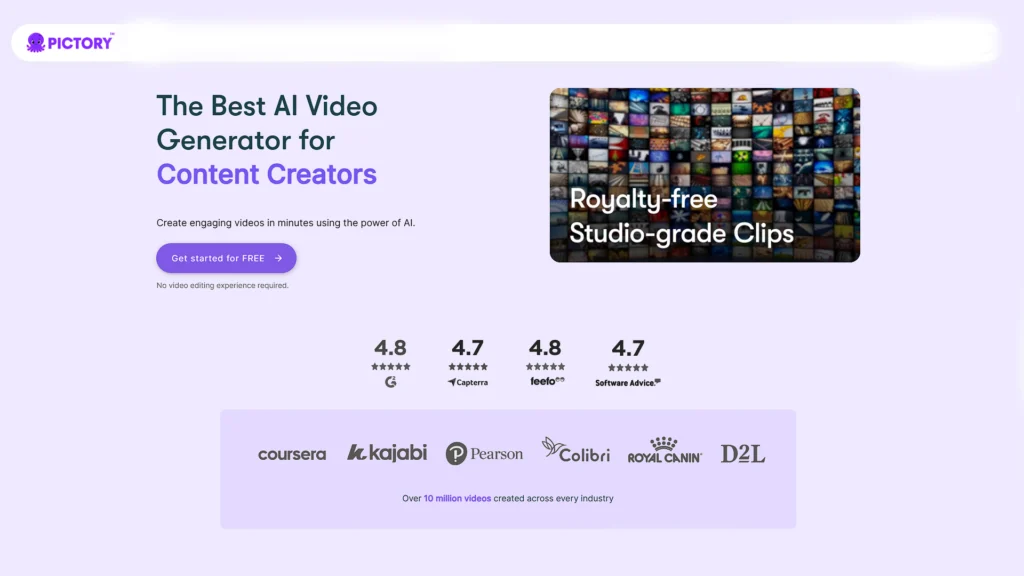
Pictory specializes in transforming written content into engaging video clips. Bloggers, marketers, and educators can upload articles or scripts and automatically generate videos optimized for social media platforms. Pictory’s AI extracts key points from long-form content, pairs them with royalty-free images and clips, and even generates captions, making it perfect for creating TikTok, Instagram Reels, or YouTube Shorts.
- Use Cases: Repurposing blog content, social media marketing, content summarization, video tutorials, and automated explainer videos.
- Pros: Quick video generation, easy editing tools, automatic captioning, integration with stock libraries.
- Cons: Limited control over fine details of video scenes, some videos may feel generic without customization.
- Pricing: $19–$39/month depending on the plan and number of minutes or videos allowed.

Runway Gen-2
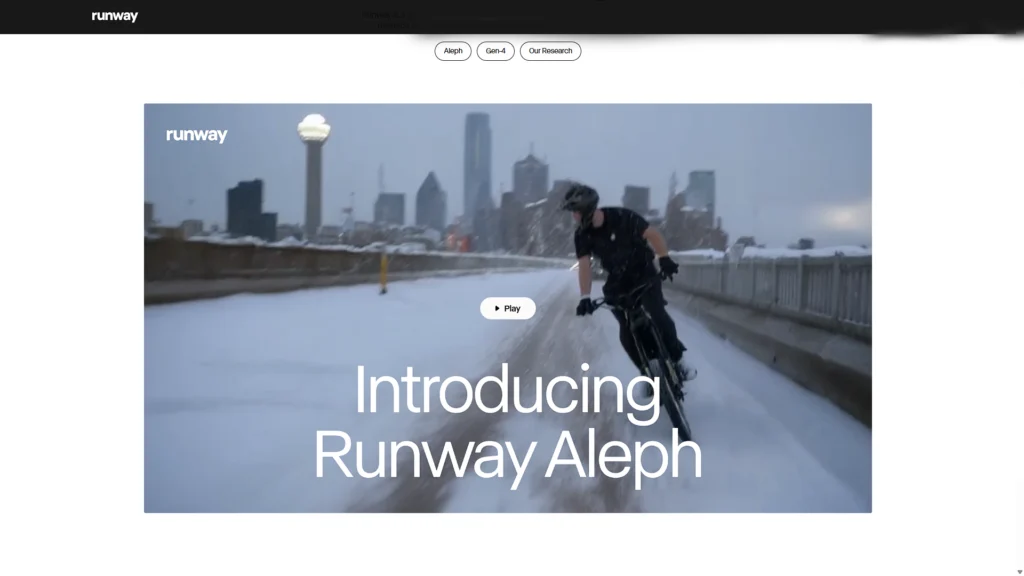
Runway Gen-2 is a generative AI powerhouse capable of creating videos from text prompts, images, or existing footage. Unlike template-based platforms, Runway allows creators to experiment with visual storytelling, offering tools for motion editing, background replacement, and video inpainting. It’s particularly favored by creative directors, video artists, and experimental filmmakers who want to blend AI-generated visuals with traditional footage.
- Use Cases: Experimental short films, concept art visualization, social media content, animated storyboards, and VFX experimentation.
- Pros: Flexible input methods, advanced AI effects, supports creative experimentation.
- Cons: May have a steeper learning curve for beginners; output quality depends on prompt specificity.
- Pricing: Free tier with limited credits; paid plans start at $12/month for more generation minutes and higher-resolution outputs.

Lumen5

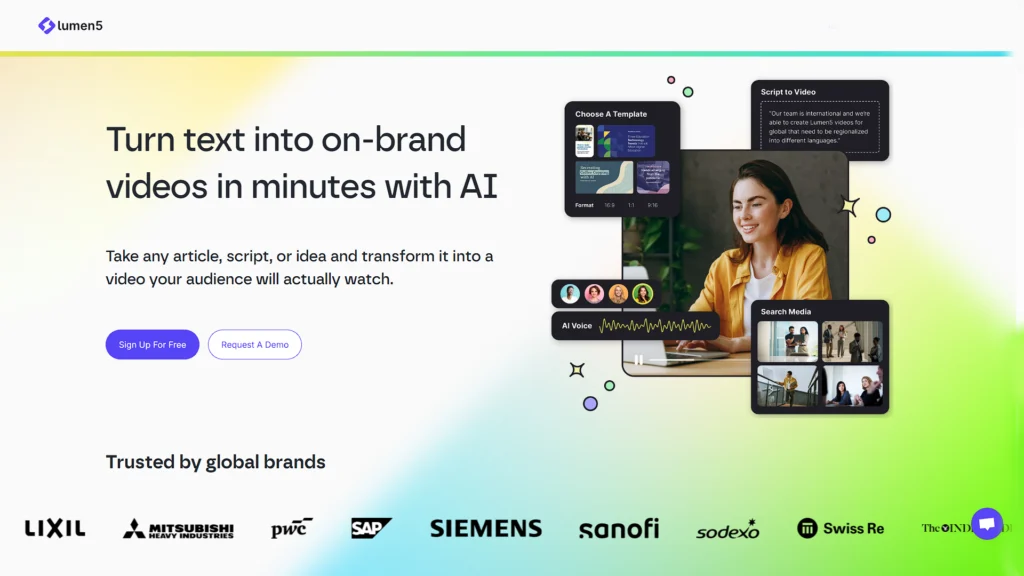
Lumen5 is a template-driven AI video tool designed to help businesses quickly produce branded marketing and explainer videos. It’s particularly useful for organizations without an in-house design or video production team, as it automatically matches text with visuals, applies transitions, and includes music libraries. Lumen5 also offers customization options like brand colors, fonts, and logo overlays, making it a favorite among marketing teams.
- Use Cases: Social media ads, promotional videos, explainer content, product showcases, and brand storytelling.
- Pros: Easy to use, wide range of templates, automatic video optimization for social media, royalty-free media library.
- Cons: Template reliance can limit creativity; longer videos require more manual adjustment.
- Pricing: $29–$79/month depending on features like video length, branding options, and resolution.

HeyGen (formerly Movio)
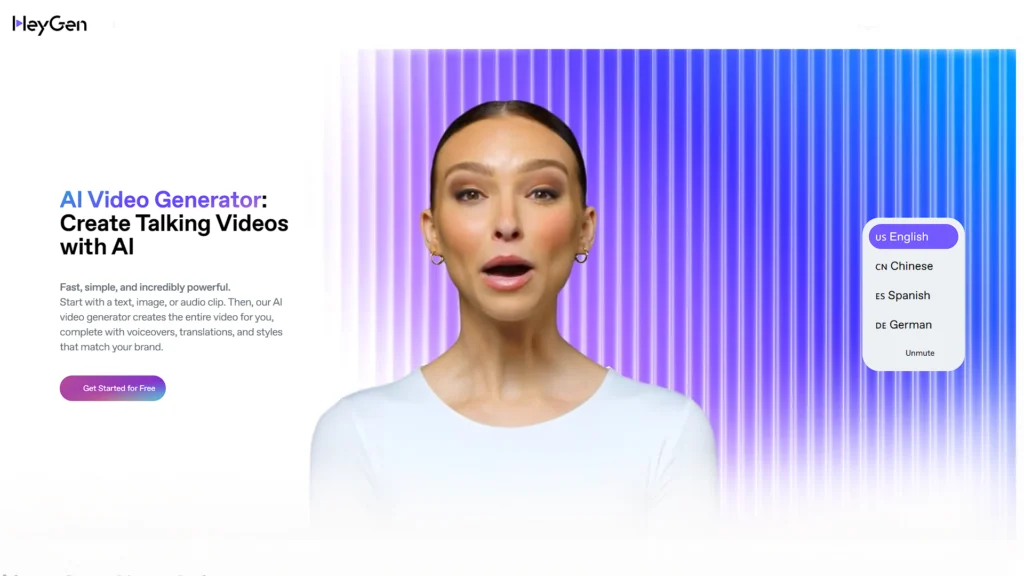
HeyGen is known for hyper-realistic AI presenters, customizable voices, and natural facial expressions. Its strength lies in creating lifelike presenter-driven videos without any filming. Entrepreneurs, educators, and marketers can produce professional product demos, investor presentations, and explainer videos in minutes. HeyGen also allows voice modulation, gesture selection, and avatar personalization for a highly engaging experience.
- Use Cases: Product demos, investor pitches, online courses, tutorials, and social media campaigns.
- Pros: Realistic avatars, expressive facial gestures, voice customization, user-friendly interface.
- Cons: Free trial has limited options; advanced features require higher-tier plans.
- Pricing: Free trial available; starter plan $29/month with access to basic avatars and voice features.

6. DeepBrain AI
DeepBrain AI is a premium AI video generator, widely used in Asia for virtual news anchors and influencers. Its advanced avatars can mimic human facial expressions and speech patterns, making it a strong choice for media organizations and enterprises seeking real-time AI video presentations. It also supports live streaming integration, which is particularly useful for news or corporate announcements.
- Use Cases: AI-powered news anchors, corporate communication, virtual influencers, live event coverage.
- Pros: Realistic avatars, live stream support, ideal for professional and enterprise use.
- Cons: Enterprise-focused pricing can be expensive for small creators; requires technical setup for integration.
- Pricing: Custom pricing tailored to enterprise needs, typically involving volume, features, and support.
Pricing Models: What You Get for Your Money
Most AI video platforms follow three pricing strategies:
- Subscription-based – Monthly fees for a set number of credits or video minutes (e.g., Synthesia, Pictory).
- Credit/token system – Pay-as-you-go for video generation (e.g., Runway).
- Enterprise plans – Custom pricing for large-scale needs, often with API integration.
Compared to hiring video editors and actors, which can cost thousands of dollars, these platforms save 70–90% of traditional production costs.
How Industries Are Using AI Video Generators
AI video generation is no longer a niche technology; it’s rapidly transforming multiple industries by reducing production time, cutting costs, and enabling highly personalized content. Here’s an in-depth look at how different sectors are leveraging this technology:
Marketing and Business
The marketing world has seen some of the fastest adoption of AI video tools. Companies are increasingly replacing generic stock footage ads with custom AI-generated clips that align perfectly with brand identity. This allows marketers to create campaigns that are not only visually engaging but also highly targeted.
- Personalized Video Marketing: AI platforms can tailor video content for individual viewers based on demographics, purchase history, or browsing behavior. For example, an e-commerce company could send a unique product demo video to each customer, featuring their name, preferred products, and region-specific offers. According to a report by HubSpot, personalized videos can increase click-through rates by up to 200%, highlighting their growing importance.
- Cost and Time Efficiency: Small businesses and startups no longer need to hire expensive agencies or production teams. With platforms like Pictory or Lumen5, a small business owner can create professional-quality promotional videos in a fraction of the time it would traditionally take. This is particularly impactful for seasonal campaigns or rapid product launches.
- Case Study Example: A global fashion brand used AI-generated videos to produce hundreds of variations of a single campaign, changing models, backgrounds, and product placements to fit multiple markets. This reduced their traditional production costs by over 60% and allowed them to scale campaigns globally in days instead of weeks.
Education and Training
AI video generation is revolutionizing the way knowledge is shared and training is delivered. Educational institutions, corporate trainers, and online learning creators are harnessing AI to deliver content faster, in multiple languages, and in more engaging formats.
- Universities and Schools: AI avatars can deliver lectures, explain concepts, and simulate experiments across different languages and accents. For instance, a university offering an international business course could generate a single AI video lecture with multilingual voiceovers for students in over 10 countries, eliminating the need for live translation or separate recordings.
- Corporate Training: Organizations are using AI to create interactive e-learning modules quickly. Trainers can develop onboarding videos, compliance tutorials, or safety training sessions with voiceovers in various accents, making them more relatable to diverse employees. This flexibility reduces dependency on in-person sessions and allows staff to learn at their own pace.
- Educational Content Creators: YouTubers and online educators can now scale their content production exponentially. An educator who previously spent 8 hours recording and editing a single tutorial can now produce multiple AI-generated videos in the same time, complete with captions, visuals, and animations. This not only saves time but also allows creators to keep up with growing content demands on platforms like YouTube, TikTok, or Instagram.
Entertainment and Creative Arts
The entertainment industry is leveraging AI video tools to push creative boundaries. Filmmakers, musicians, and social media influencers are discovering innovative ways to experiment with visual storytelling.
- Filmmaking: AI-generated videos are being used for pre-visualization, storyboarding, and even fully AI-created short films. This allows directors to test visual concepts, plan shots, and create animatics before committing to expensive live shoots. Some independent filmmakers are even producing entire experimental short films using generative AI, showcasing the technology’s potential to democratize filmmaking.
- Music Videos and Lyric Visualizers: Musicians are adopting AI to create lyric videos, music visualizers, and promotional clips. For example, a musician releasing a new single could use AI to automatically generate a visually synchronized lyric video that reacts to the rhythm, mood, and tone of the song—saving hours of manual editing.
- Influencer Content: Social media influencers, facing constant pressure to produce daily or weekly content, are using AI tools to generate unique visuals quickly. Whether it’s creating short skits, reaction videos, or animated overlays, AI enables influencers to maintain engagement and stay competitive in a fast-paced digital environment.
- Case Study Example: A popular TikTok creator generated 10 AI-enhanced clips from a single 5-minute video script, each tailored for different audience segments. The campaign increased engagement by 35% compared to their usual manually edited videos, proving that AI can amplify creativity without sacrificing authenticity.
Advantages and Challenges of AI Video Generators
While AI video generators offer enormous potential, understanding both their benefits and limitations is crucial for businesses and creators.
Advantages
- Time and Cost Savings: Traditional video production is resource-intensive. AI reduces the need for actors, cameras, studios, and editing teams, making video content creation faster and cheaper.
- Accessibility for All: With user-friendly platforms, individuals and small businesses without technical expertise can create professional-quality videos, leveling the playing field in marketing, education, and entertainment.
- Personalization at Scale: AI allows for hyper-personalized video campaigns, tailoring content to individual preferences, locations, and demographics. Personalized videos are proven to increase engagement, conversion, and retention rates.
- Creative Expansion: AI tools unlock creative possibilities that were previously unattainable. From generating avatars, visual effects, and unique animations to transforming written content into dynamic videos, creators can experiment and iterate rapidly, enhancing storytelling and audience engagement.
Challenges
- Ethical Concerns: Deepfake capabilities and hyper-realistic AI avatars raise questions about misinformation, consent, and authenticity. Misuse could lead to reputational or legal risks if AI-generated content is presented as real.
- Emotional Depth Limitations: While AI can mimic expressions and tone, it cannot fully replicate the subtle emotional depth of human actors. Storytelling that relies on nuanced performances may still require real human involvement.
- Template Fatigue: Overreliance on AI templates and stock AI avatars can make videos feel generic. Brands risk losing audience engagement if multiple companies adopt similar AI styles without adding unique storytelling elements.
- Intellectual Property Issues: Training AI on copyrighted data may lead to legal disputes, especially if AI-generated content closely resembles existing media. Creators and businesses need to be mindful of licensing and copyright compliance.
The Future of AI Video Generation
The future points toward even more hyper-realistic avatars, real-time text-to-video capabilities, and integration with VR/AR platforms. Soon, AI could make it possible to:
- Generate full-length films with just a script.
- Offer “personalized Netflix experiences,” where shows adapt to individual viewers.
- Create real-time video chat translators with AI avatars.
Industry experts predict AI video will become a $25–30 billion market by 2030, transforming not just business and entertainment, but how we consume media on a daily basis.
The rise of AI video generators is nothing short of revolutionary. What was once a privilege for large corporations and media houses is now in the hands of everyday creators, entrepreneurs, and educators. With tools like Synthesia, Pictory, Runway, and Lumen5, the barriers to creating engaging video content have been shattered.
While ethical debates and creative challenges remain, the momentum behind AI video is undeniable. As technology continues to evolve, expect these tools to grow smarter, cheaper, and even more realistic—reshaping the way stories are told across marketing, education, and entertainment.
For anyone looking to stay ahead in the digital world, understanding and experimenting with AI video generators is no longer optional—it’s essential.
About the Author