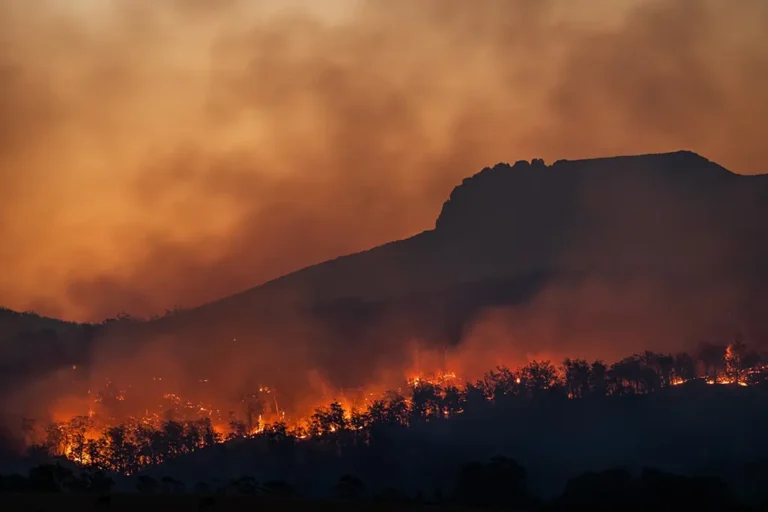
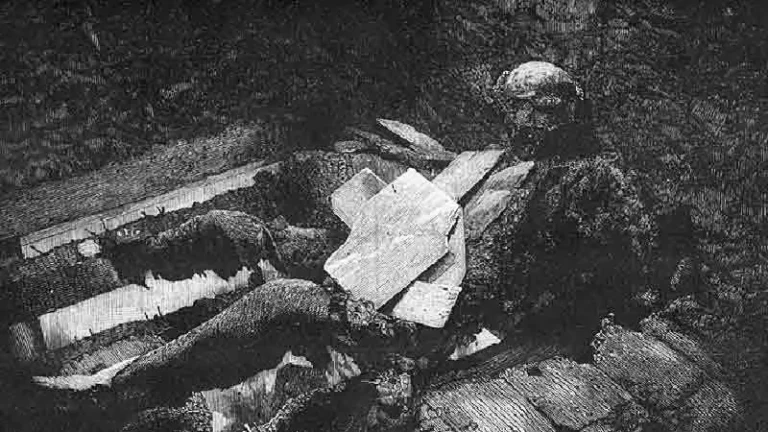
On a cold, rainy evening on November 24, 1971, a man identifying himself as Dan Cooper calmly boarded a Northwest Orient flight from Portland to Seattle. By the time the Boeing 727 landed, he had extorted $200,000 in ransom, secured four parachutes, and released the plane’s passengers. But the story’s most indelible moment came next: Somewhere over the dense, black wilderness of Southwestern Washington, Cooper lowered the plane’s rear air stair, strapped the cash to his body, and stepped out into the 200-mile-per-hour slipstream.
He vanished.
For over half a century, D.B. Cooper—the name mistakenly given to him by the press—has remained a ghost. He is the only person to pull off an unsolved skyjacking in U.S. history, becoming an enduring figure of anti-establishment cool and a myth that has baffled the FBI, inspired books, films, and countless hours of amateur sleuthing. The FBI officially suspended the investigation in 2016, but now, a confluence of two major breakthroughs—the revelation of a secret family parachute and the application of cutting-edge forensic DNA analysis on a crucial artifact—has suddenly brought this 50-year-old mystery back from the dead.
This is the dramatic, factual breakdown of how science and a shocking family confession could finally unmask the vanishing skyjacker.
The Anatomy of a Perfect Crime
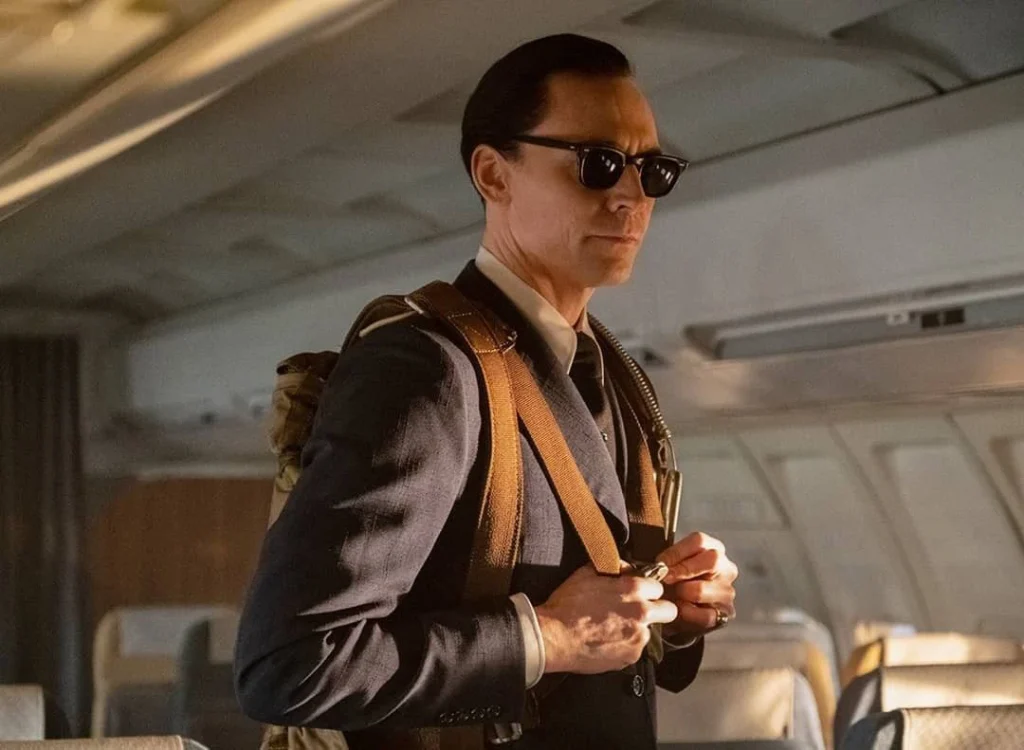
The D.B. Cooper hijacking was not a chaotic act of terror; it was a meticulous, professional operation that spoke to the hijacker’s expertise and chilling calm under pressure.
The 30-Minute Ultimatum
Cooper’s composure was perhaps his most unsettling trait. Sitting in seat 18C, he ordered a bourbon and soda, lit a cigarette, and then passed a note to flight attendant Florence Schaffner. The note was simple: he had a bomb and his demands were non-negotiable.
His demands were highly specific:
- $200,000 in negotiable American currency (twenty-dollar bills).
- Four parachutes (two main and two reserve).
- A fully fueled Boeing 727.
The fact that Cooper knew to demand a Boeing 727 was the first key clue. The 727 was unique because it possessed an aft-fuselage, retractable air stair—the only commercial jet that allowed a person to exit safely in mid-flight. His knowledge suggested an aviation background, possibly a pilot or a paratrooper. When the plane landed in Seattle, he released the passengers and received the ransom and parachutes.
Jumping into the Void
With only a handful of crew members remaining, Cooper ordered the plane to take off, directing the pilots to fly at an altitude no higher than 10,000 feet, at a slow speed, with the landing gear down. Again, these were technical details that maximized his chances of survival.
Sometime after 8:00 p.m., in the pitch-black sky over the Pacific Northwest, the crew in the cockpit saw a warning light indicating the aft-stair had been lowered. D.B. Cooper, dressed in his dark suit, tie, and trench coat, simply walked down the steps and disappeared into the raging air. He left behind only two things: the four unwanted parachutes and one mundane, but critical, item: his clip-on necktie.
The Forensics of a Tie
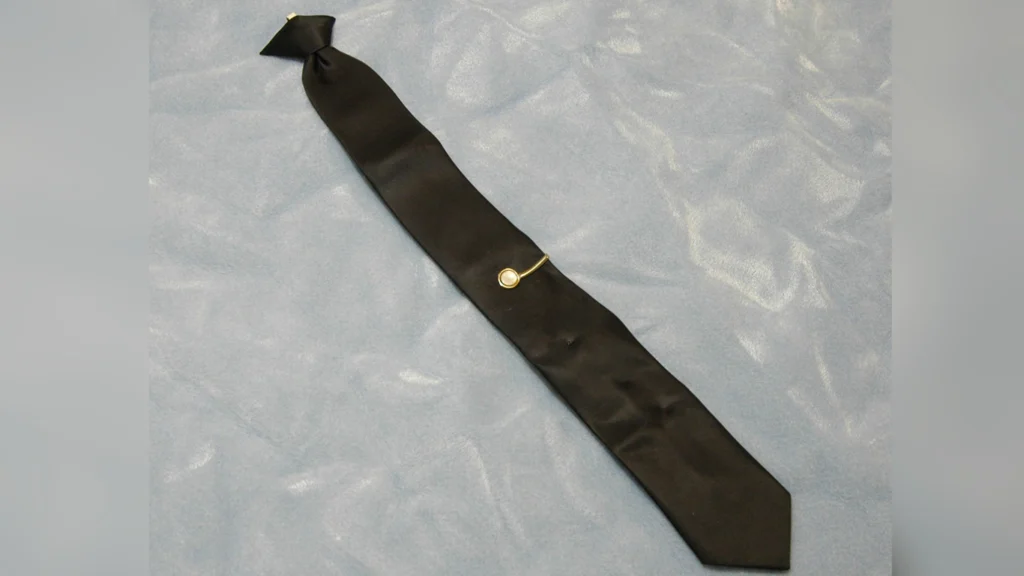
For decades, that inexpensive, JCPenney clip-on tie was the only physical evidence of the hijacker’s identity, aside from a handful of partial fingerprints. In 2001, a private scientific team, including forensic geologist Tom Kaye, was finally granted access to the relic. Using advanced technology unavailable in the 1970s, they uncovered an invisible universe of clues.
The Rare Earth Clues
Kaye’s team found more than 100,000 microscopic particles embedded in the fabric of the tie. Among these were extremely rare elements, including unalloyed titanium, bismuth, and strontium sulfide.
“This wasn’t just dirt,” Kaye noted. “It was like an occupational fingerprint.”
These elements were not random. They pointed directly to a highly specialized, industrial environment. The key findings were:
- Titanium and Stainless Steel: The combination strongly suggested he worked in the aerospace industry, potentially as an engineer or mechanic, with access to manufacturing processes involving high-tech metals.
- Crucible Steel Connection: Researchers traced the unique elemental signature to a particular plant in Pennsylvania, Crucible Steel, which was a major supplier of titanium and stainless steel to Boeing, the manufacturer of the hijacked plane.
This scientific revelation narrowed the profile dramatically: Cooper was likely a Seattle-area resident (or frequent traveler) with intimate knowledge of Boeing systems, who had a direct connection to a rare metal fabrication facility. It suggested an internal perspective, a man who knew exactly which machine to exploit to get what he wanted.
The Timeline: Richard McCoy Jr. and the Parachute Bomb
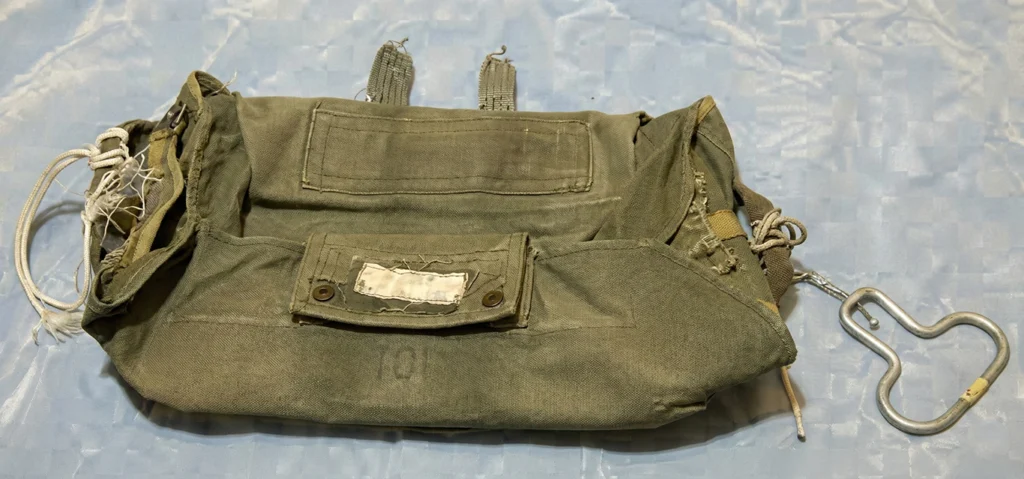
While the tie offered forensic clues, a dramatic breakthrough came from the family of a long-time suspect, Vietnam veteran and convicted skyjacker Richard Floyd McCoy Jr.
The Near-Identical Crime
Less than five months after Cooper’s jump, Richard McCoy Jr. executed a nearly identical hijacking over Utah. He demanded $500,000, parachuted from a plane (also a Boeing 727), and escaped. McCoy was captured two days later and, although he eventually escaped prison and was later killed in a shootout with FBI agents, he was always an irresistible Cooper suspect.
The FBI initially dismissed McCoy as D.B. Cooper, citing two factors:
- Appearance: Witnesses described Cooper as being in his mid-40s; McCoy was only 29.
- Alibi: McCoy’s family claimed he was in Utah during the Cooper jump.
The Family Confession
In the past few years, McCoy’s children, Chanté and Rick McCoy III, have come forward with new, staggering evidence. They waited until their mother, Karen McCoy, passed away, suggesting she had been complicit in both of their father’s hijackings and helped maintain his alibi.
The bombshell revelation was the discovery of a parachuting rig and logbook hidden in an outbuilding on the family’s property.
- The Parachute: Independent investigators, including retired pilot Dan Gryder, examined the parachute and described it as “one in a billion.” The harness and canopy showed specific, unique modifications matching the ones Cooper was supplied with on the night of the jump.
- The Logbook: McCoy’s detailed jump logbook contained entries aligning with the timelines for both the 1971 and 1972 jumps, placing the father in the right locations at the right time.
The DNA Showdown
The discovery prompted the FBI to reportedly re-examine the case. The agency is now analyzing the newly recovered McCoy parachute for DNA evidence, which will be cross-referenced with the DNA profile that forensic scientists recently extracted from Cooper’s discarded necktie.
If the DNA on the parachute matches the DNA on the tie, the 50-year-old mystery is solved, transforming Richard McCoy Jr. from a highly plausible suspect into the definitive, unmaskable vanishing skyjacker.
The Legacy of a Ghost
The enigma of D.B. Cooper did more than just launch a multi-decade manhunt; it fundamentally changed commercial air travel.
The Skyjacking’s Unintended Consequences
The immediate fallout of the jump was swift and decisive for the aviation industry:
- The Cooper Vane: In the wake of the hijacking, all Boeing 727s were quickly retrofitted with a device called the “Cooper Vane,” a mechanical lock that prevented the aft air stair from being lowered while the plane was in flight.
- Airport Security: Cooper’s brazen act led directly to the implementation of mandatory passenger and baggage screening. By 1973, all commercial passengers were required to be checked for weapons before boarding—the foundation of the security system we use today.
The Money Trail and the Wilderness Myth
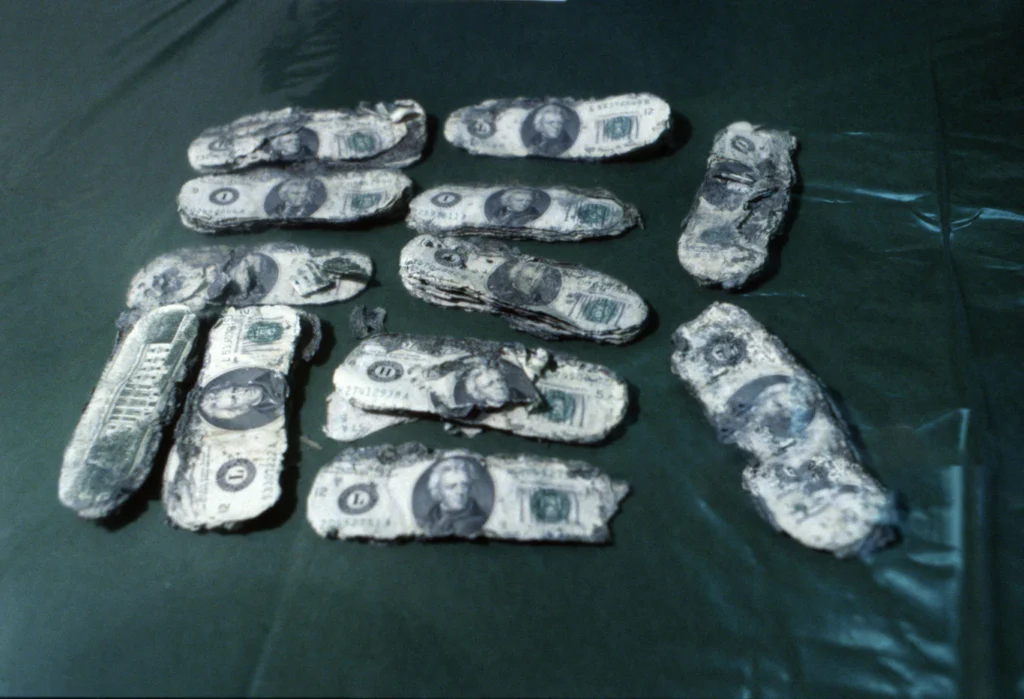
The theory that Cooper perished in the jump was supported for years by the treacherous, unforgiving terrain below him. But in 1980, the mystery deepened when $5,800 of the ransom money was found by a young boy, Brian Ingram, on a beach on the Columbia River, near Vancouver, Washington. The deteriorating bills—confirmed by their serial numbers—proved that Cooper (or his loot) did not immediately vanish. The money had traveled, possibly from a stream or tributary, challenging the official landing zone and keeping the “Cooper survived” theory alive.
The Final Clue
D.B. Cooper is not just a footnote in crime history; he is a permanent fixture in the collective imagination, a true American legend. The case has always relied on fragments: a few hairs, some microscopic metal, and a rotting stack of cash.
Today, thanks to decades of meticulous work by forensic scientists and a dramatic, late-stage revelation by a family who simply wants the truth to be known, the case has its most promising lead ever. The combination of the titanium-traced tie and the modified parachute strongly suggests a single, cohesive identity: a highly skilled individual with deep ties to the aerospace industry.
The world now waits for the definitive results of the DNA analysis. If the samples connect Richard McCoy Jr. to the clip-on tie, the vanishing skyjacker will finally have a name, putting a definitive, factual end to the greatest unsolved cold case in aviation history.
About the Author