What We Know (Without Spoiling)
Release & Format
Marvel Zombies officially premiered on Disney+ on September 24, 2025. Unlike Marvel’s longer series (Loki, Secret Invasion), this is designed as a tight 4-episode miniseries. Each installment clocks in at 30–37 minutes, making it perfect for either weekly anticipation or a single-session binge.
Marvel deliberately kept the series short, ensuring the pacing stays lean and impactful. Instead of filler arcs, every episode dives straight into the chaos of survival. This format mirrors classic horror miniseries, where tension builds quickly, and the story unfolds in a condensed timeframe.
For fans of What If…?, this feels like a natural extension — but with a far more focused and gritty execution. Think of it as Marvel’s first “horror event” series, where the limited run enhances the urgency.
Key Takeaway: Short but cinematic — four episodes packed with dread, action, and emotional beats.
Rating & Tone
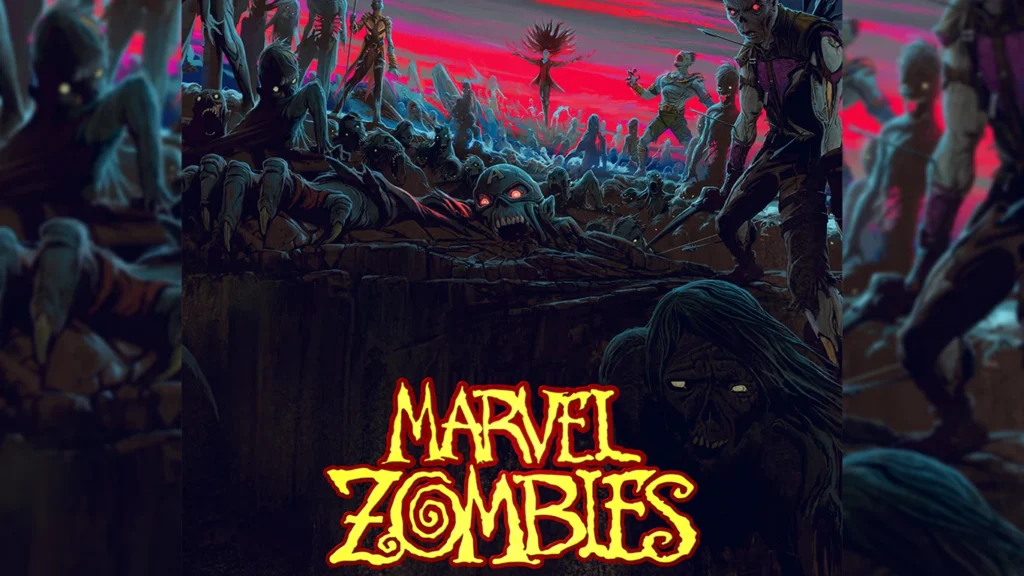
This isn’t your usual MCU fare. Marvel Zombies holds the title of being Marvel Studios’ first TV-MA (Mature Audiences) animated series. That alone makes it a landmark entry in the franchise.
The tone is unapologetically darker:
- Gory Battles: Expect full-scale fights where heroes and villains alike fall in brutal fashion.
- Psychological Horror: Beyond the gore, it plays with survivor’s guilt, paranoia, and the collapse of heroism.
- Unsettling Imagery: Zombified Avengers, corrupted powers, and post-apocalyptic landscapes aren’t toned down for younger viewers.
Compared to the slightly playful creepiness of What If…? Season 1’s zombie episode, this miniseries pushes boundaries much further. It’s Marvel’s closest dive into horror since Doctor Strange in the Multiverse of Madness, but even that feels PG compared to the rawness here.
Marvel has been teasing for years that it would explore darker, more mature territory (Blade, Deadpool 3). Marvel Zombies is essentially the first proof-of-concept, showing Disney+ can handle adult Marvel storytelling.
Key Takeaway: This isn’t for kids. Marvel finally embraces horror and maturity, opening the door for more TV-MA projects in the MCU.
Universe / Setup
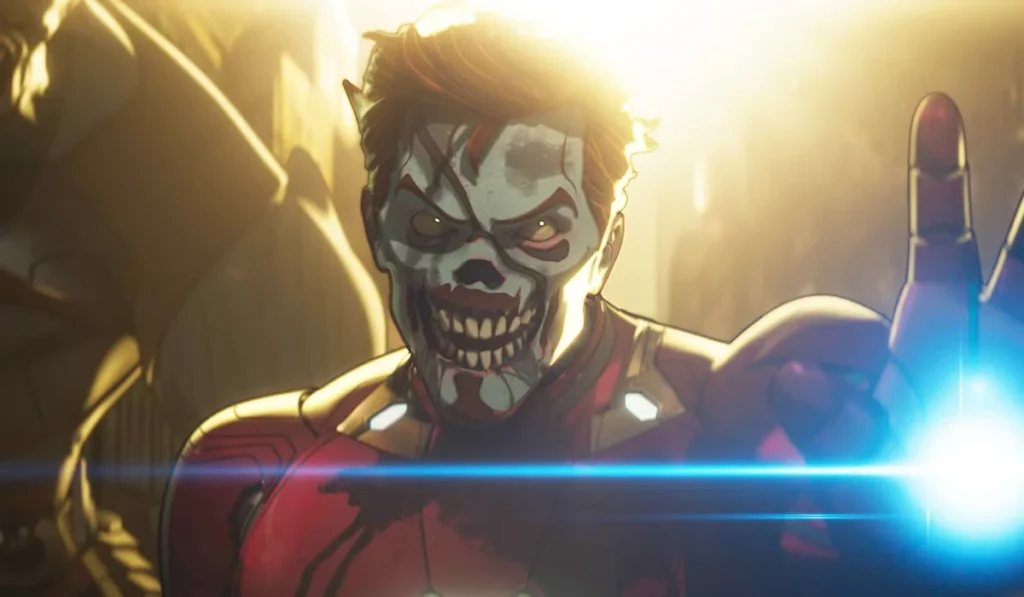
The story of Marvel Zombies directly spins out of the fan-favorite What If…? Season 1 episode “What If… Zombies?!”, but it’s not just a simple continuation. Instead, the show fully commits to exploring this alternate MCU timeline, where a devastating zombie virus spirals beyond containment.
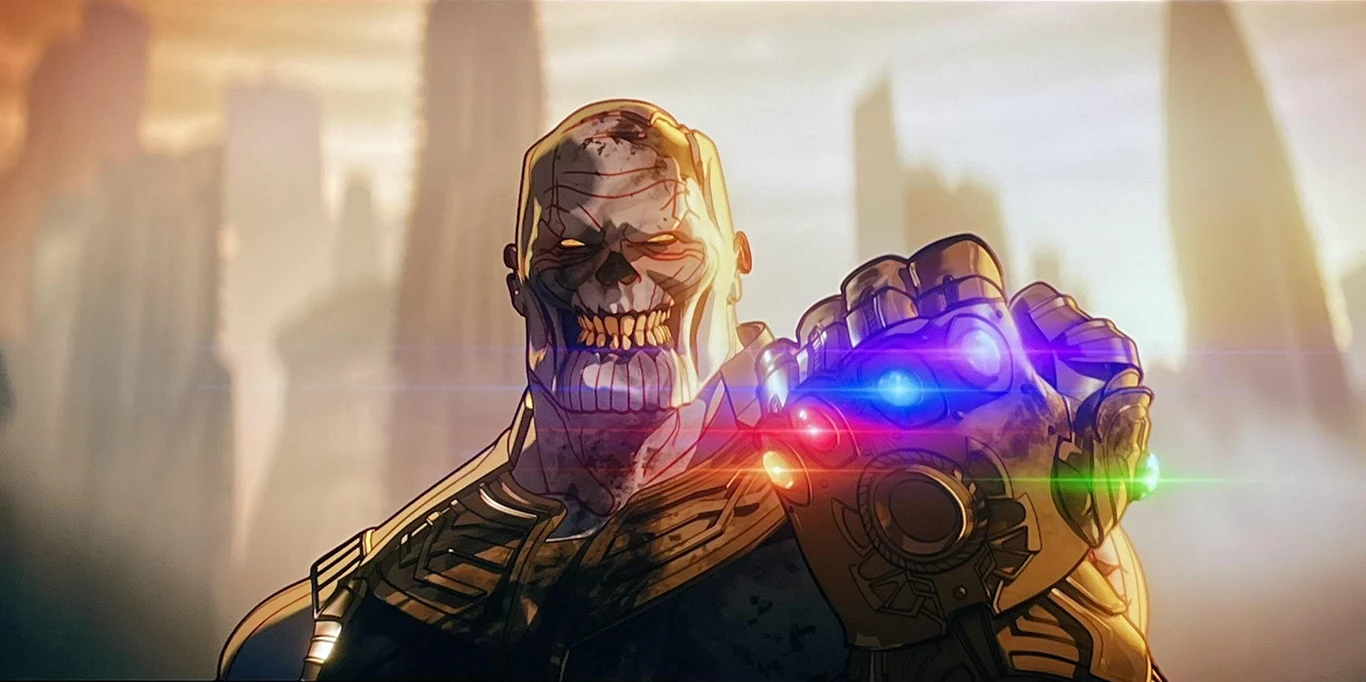
This isn’t the usual “villains versus heroes” setup. Here, heroes themselves become the threat. Avengers, sorcerers, and cosmic guardians—figures who once defended Earth—are now some of its most dangerous predators. The virus doesn’t discriminate: both the powerful and powerless can be turned, creating a world where survival feels nearly impossible.
The remaining survivors form fragile alliances, but trust is scarce. Who you fight alongside today may turn into a monster tomorrow. It’s not just about punching zombies—it’s about holding onto hope when the very symbols of hope (the Avengers) have already fallen.
Thematically, this setup pushes the MCU into uncharted territory, leaning on horror tropes like:
- Apocalypse survival drama (banding together in chaos)
- Moral dilemmas (sacrificing one to save many)
- Twists of familiarity (seeing beloved characters in terrifying, corrupted forms)
Key Takeaway: Marvel Zombies explores not just the infection, but the *emotional fallout of watching heroes become horrors.
Hero & Survivor Cast
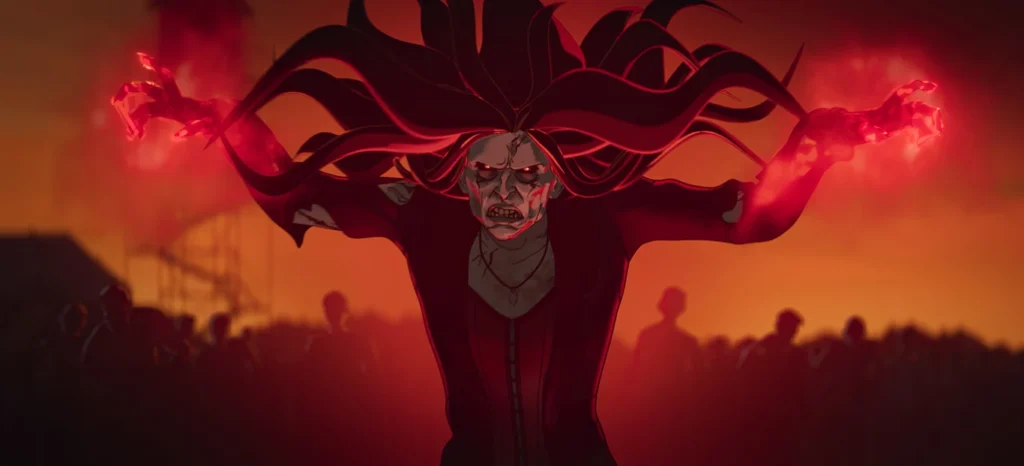
One of the biggest draws of Marvel Zombies is its all-star voice cast, blending new-generation MCU heroes with established fan favorites.
Returning Heroes & Survivors:
- Iman Vellani as Kamala Khan / Ms. Marvel — The heart of the survivor group, carrying optimism into a bleak setting.
- Simu Liu as Shang-Chi — His martial arts skills and Ten Rings power make him one of the most formidable zombie fighters.
- Florence Pugh as Yelena Belova — Balancing wit and ruthless pragmatism, Yelena brings both emotional depth and action grit.
- Hailee Steinfeld as Kate Bishop — A younger hero stepping into the apocalypse, highlighting the next generation’s struggle.
- David Harbour as Red Guardian — The gruff veteran soldier archetype with unexpected comedic timing, even in horror.
- Randall Park as Jimmy Woo — Fan-favorite everyman, providing humanity in a superpowered disaster.
- Elizabeth Olsen as Scarlet Witch — Both tragic and terrifying, Wanda’s presence adds major stakes given her unmatched powers.
Some roles were recast (due to scheduling or narrative choices), but Marvel still ensures a blend of OG icons and rising stars. This mix mirrors the comics’ tone, where survivors often include unexpected pairings of B-list and A-list characters, making their survival all the more gripping.
Key Takeaway: The voice cast isn’t just star power—it reinforces the story’s themes of legacy, loss, and resilience.
Visuals & Style
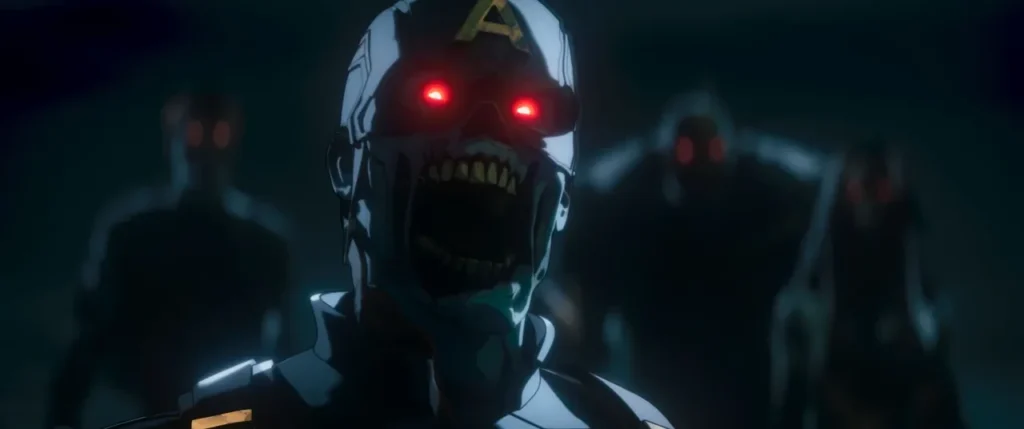
Visually, Marvel Zombies builds on the cel-shaded animation style of What If…? but pushes it into uncharted horror territory. The result is something familiar yet disturbingly different.
- Zombie Designs: Heroes-turned-monsters are grotesque but recognizable. The animators leaned into body horror—rotting flesh, torn costumes, glowing corrupted powers—while still maintaining each hero’s iconic silhouette.
- Atmospheric Backdrops: From ruined cityscapes to eerie wastelands, the world feels claustrophobic yet massive, drenched in desaturated palettes with bursts of blood-red violence.
- Fight Sequences: Unlike previous MCU animations, the combat here is slower, heavier, and more brutal. When heroes fight zombies, the choreography emphasizes desperation rather than flashy stunts.
- Cinematic Horror Touches: Lighting plays a major role—shadows, flickering flames, and sudden bursts of color give sequences an unsettling tone, closer to a horror film than a superhero cartoon.
This is Marvel’s boldest experiment in animation yet: taking a style fans associate with multiversal fun (What If…?) and turning it into a canvas for dread and gore.
Key Takeaway: The familiar MCU animation style has been corrupted—just like its heroes.
What Works Well
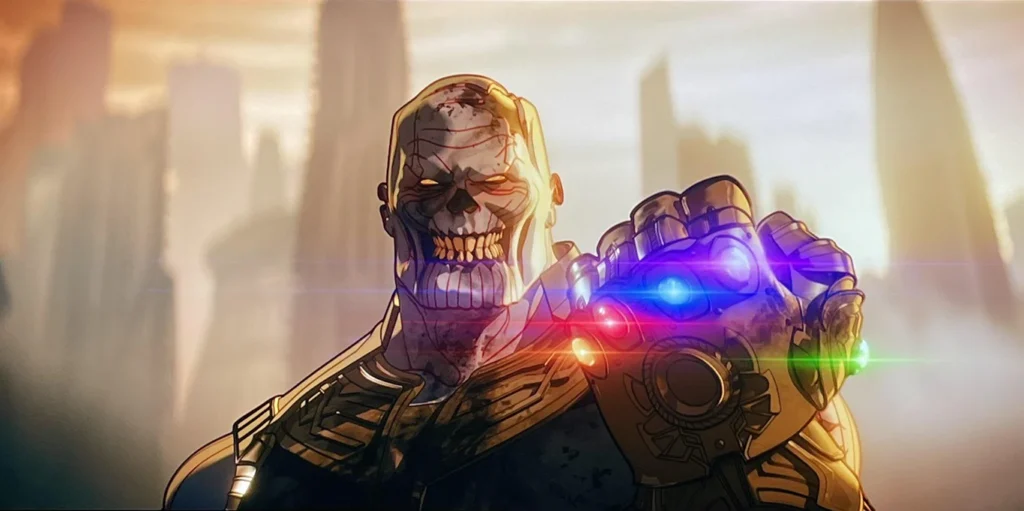
World-Building
Marvel nails the apocalypse vibe. From abandoned Avengers bases to smoke-covered skylines and empty city streets, the visuals feel both cinematic and suffocating. The ruined landscapes also carry small Easter eggs—blink and you’ll miss references to earlier MCU films hidden in the debris.
Emotional Core / Survivor Focus
What keeps this from being “just another zombie show” is the emotion. Characters struggle with loyalty, fear, and the weight of impossible decisions. The survivors are not just fighting monsters—they’re fighting grief, survivor’s guilt, and the fear of losing their humanity. That gives each episode stakes beyond survival.
Fan Service & Cameos
The series balances horror with Marvel nostalgia. Seeing iconic heroes reimagined as grotesque zombies hits harder because of our history with them. The mix of cameos, callbacks, and shocking reveals makes longtime fans feel rewarded while still keeping casual viewers engaged.
Pacing
The miniseries format (4 episodes) means there’s no time wasted. The plot moves briskly, balancing action, horror, and emotional beats without dragging. It’s a binge designed to keep you on edge from the first frame to the last.
What to Be Prepared For
- Cliffhanger Ending: Not every arc gets closure—Marvel leaves the door open for continuation.
- MCU Humor vs. Horror: Quips sometimes interrupt tense moments, which may frustrate purist horror fans.
- Crowded Cast: With so many survivors and villains, some characters inevitably get sidelined.
- Gore Factor: Expect blood, gore, and violent imagery—this is Marvel pushing its darkest limits yet.
Sources: [Indiatimes], [Reddit], [Screen Rant]
Things to Watch For (Spoiler-Free)
- Characters torn between survival instincts and their moral codes.
- Iconic Marvel weapons and relics repurposed in shocking, terrifying ways.
- The emotional sting of seeing beloved heroes corrupted.
- Uniquely choreographed zombie-superhero battles that blend horror and spectacle.
Critical Reception
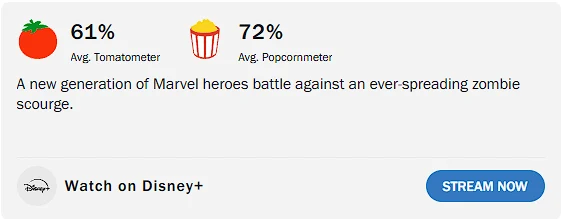
- Rotten Tomatoes: ~67% Tomatometer (Season 1) — a polarizing response.
- Critics: Praise its bold tone shift and horror aesthetic but flag limited character depth.
- Audience Reaction: Many Marvel fans love the experiment and darker tone, while others wanted more episodes or tighter storytelling.
About the Author