Introduction: A Billion-Dollar Game Economy in Freefall
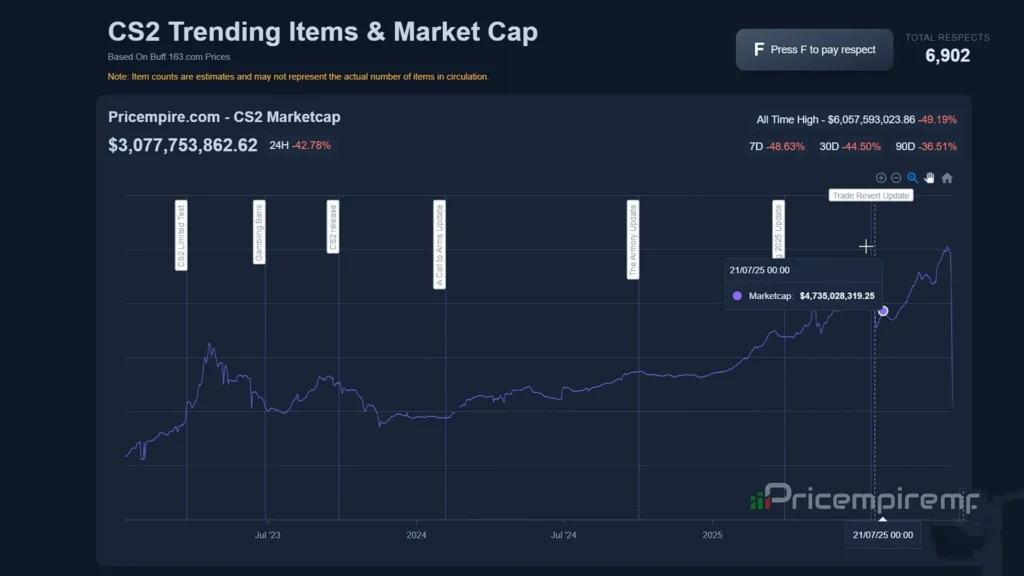
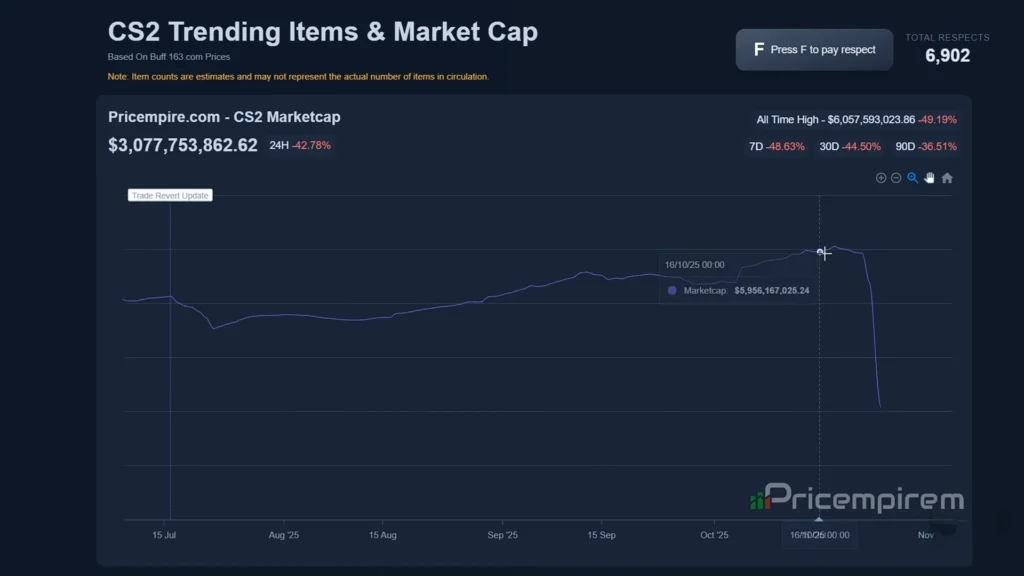
In early October 2025, the Counter-Strike 2 (CS2) community witnessed what some players are calling “the biggest market crash in the history of gaming.” Overnight, the Steam Community Market was flooded with panic sellers as rare skins—some once valued in the thousands—lost up to 70% of their market worth within hours.
For years, CS2 (and before it, CS:GO) had been the gold standard of in-game economies. Knife skins, gloves, and limited-edition weapon designs were not just cosmetic items—they were digital investments, part of a thriving global marketplace worth hundreds of millions of dollars. But when Valve silently adjusted pricing algorithms and introduced new “rarity balancing” for older items, the ripple effect sent shockwaves through the player base.
Collectors, traders, and long-time fans watched in disbelief as once-coveted inventory items depreciated faster than cryptocurrency during a flash crash.
What Caused the Counter Strike 2 Skin Price Crash
While no official statement has clarified the complete reasoning, community analysts and data trackers noticed multiple simultaneous triggers:
- Valve’s Hidden Price Adjustment:
Around midnight UTC, users began spotting automatic recalibrations on the Steam Market API. Older knife and glove skins, especially Karambit | Fade, M9 Bayonet | Crimson Web, and Butterfly Knife | Doppler, dropped in market value by 40–60%. - Algorithmic “Rarity Balance” Update:
According to leaks from Steam database trackers, Valve may have rolled out an unannounced system to reduce inflated skin values, attempting to “restore fair pricing.” Unfortunately, this crashed the speculative economy that relied heavily on high-value trades. - Bot Sellers & Panic Dumping:
Within minutes, automatic trading bots and real sellers flooded the market. Thousands of listings appeared below previous floor prices, accelerating the decline.
The result? Prices that took years to build up vanished in less than 24 hours.
Emotional Fallout Among Players and Collectors
Beyond numbers, this crash struck at the emotional heart of a passionate gaming community. For many players, skins were more than just items—they symbolized memories, victories, and even personal achievements. Some had saved real money or traded for months to obtain their favorite knife.
Steam community threads and Reddit posts flooded with emotional messages. Collectors spoke of feeling betrayed by Valve’s silence. One long-time trader from Germany wrote:
“I’ve been collecting since 2015. My inventory dropped from $18,000 to $5,000 overnight. Years of passion gone in seconds.”
Another player from South Korea echoed the sentiment:
“It’s not just about money. It’s the emotional value tied to each skin. The market was our culture.”
Community Reactions: Panic, Outrage, and Reflection

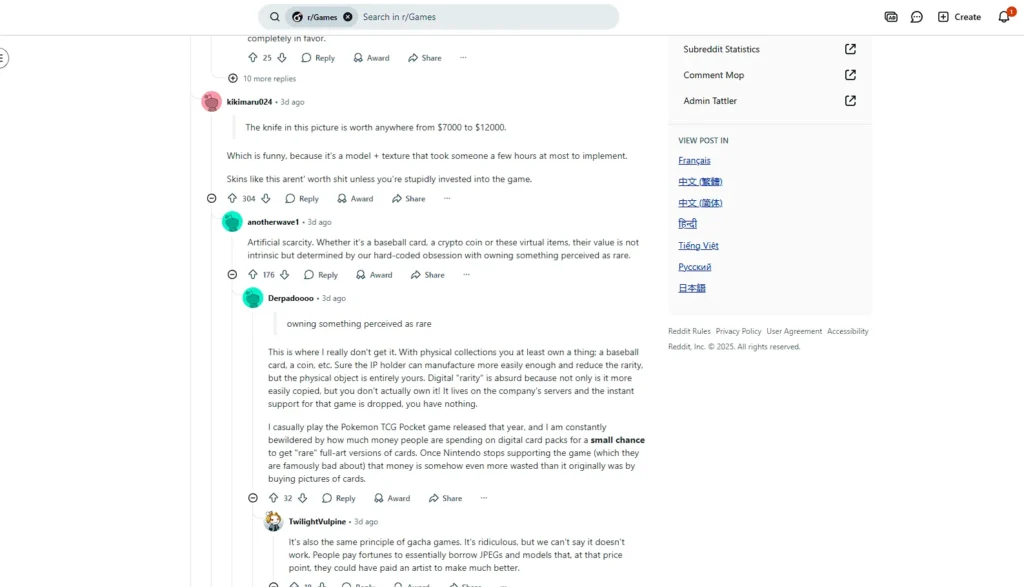
On Reddit’s r/GlobalOffensiveTrade and r/CounterStrike, threads exploded with thousands of comments. Some vented anger toward Valve for what they called “zero transparency.” Others admitted they saw it coming after months of subtle changes in market algorithms.
A pinned post on one popular CS2 trading Discord summarized the chaos perfectly:
“This isn’t just a price dip. This is a system reset. If you thought skins were a guaranteed asset, think again.”
While traders mourned losses, a different faction of players saw opportunity. “Buy the dip” became the slogan of a new wave of bargain hunters who viewed the crash as a historic moment to collect rare skins at record-low prices.
The Economic Ripple Effect
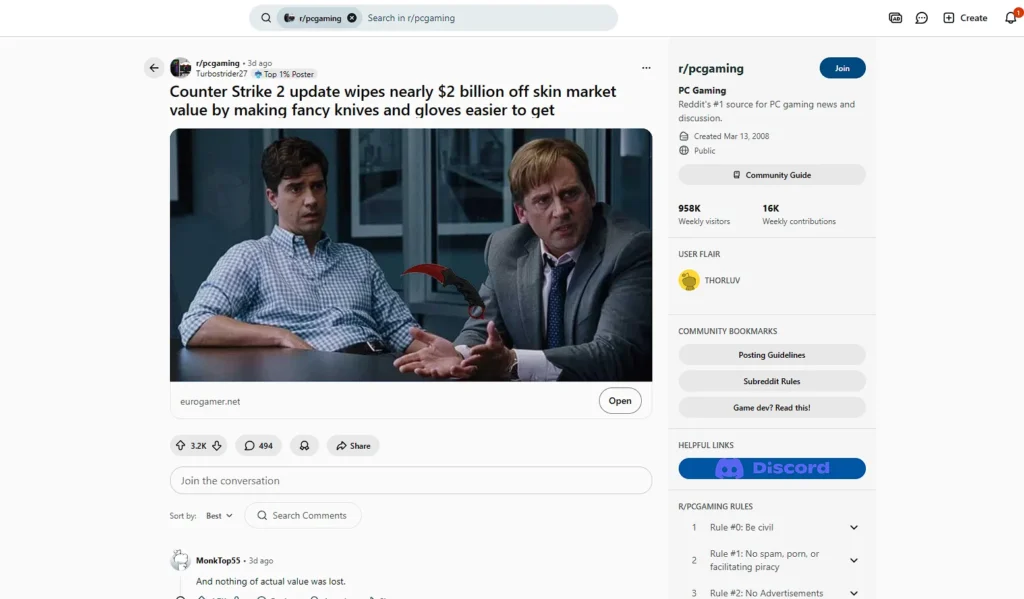
1. Traders Losing Thousands
Third-party marketplaces like Buff163, Skinport, and CS.Money mirrored the Steam Market’s collapse. Items that once listed for $2,000 were trading for under $700. Many traders who operated on narrow margins suffered irreversible losses, with their balance sheets going from profitable to negative overnight.
2. Investors Backing Out
Some skin investors, including small esports organizations that relied on digital asset portfolios, reportedly began liquidating their holdings. The “CS2 crash” trended across Twitter (X) within hours under the hashtag #SkinMarketCrash.
3. A Shift in the In-Game Economy
With market trust shaken, many players pulled their items off sale or switched to private trading platforms. Economists in the gaming sector have started calling this event the “Digital Asset Recession.”
The Psychological Impact: When Digital Loss Feels Real
The emotional attachment to digital possessions is a growing psychological phenomenon. CS2 skins, like NFTs or crypto assets, hold not just monetary value but also identity value. Players often associate certain items with pride, skill level, or personal milestones.
When that value collapses, it creates what some psychologists term “virtual grief.” This emotional downturn is similar to losing a physical asset, especially when time, effort, and memories are invested.
Streamer “AceVortex,” who lost a $12,000 inventory, shared during a live Twitch session:
“It’s like watching your house burn down, but in pixels. Every knife, every skin, had a story.”
Valve’s Silence and the Growing Call for Transparency
As of writing, Valve has not released an official explanation. Their silence is fueling anger and speculation. Industry analysts argue that this could damage long-term trust in the Steam economy, which has long operated with minimal oversight or regulation.
A number of community leaders have started petitions demanding an official audit of how pricing algorithms are handled on the Steam Market. Players want confirmation whether the drop was due to a system glitch, a balancing act, or deliberate market correction.
Meanwhile, a few developers have begun calling for blockchain-backed transparency in digital economies to prevent future collapses.
Fan Theories: Why Did This Really Happen?
Several community theories have gained traction:
- Valve wants to reset the inflated market before introducing a new trading regulation system for CS2.
- Speculative traders caused the bubble, and Valve’s system simply popped it.
- Integration with a future “CS2 Marketplace 2.0” could require skin revaluation to prepare for cross-platform compatibility.
Each theory offers partial logic, but without Valve’s input, it’s all speculation.
The New Reality: Future of CS2 Skin Trading
The dust hasn’t settled, but market trackers already note signs of stabilization. Experts predict that common and mid-tier skins may recover faster due to trading volume, while ultra-rare items could remain volatile for months.
1. Rise of Community-Driven Exchanges
Private marketplaces and Discord trade servers are becoming more trusted than ever. Some are now implementing price verification systems that track historical averages instead of relying on Steam’s live numbers.
2. Return of “True Collectors”
Ironically, the crash might bring authenticity back to the skin community. Instead of profit-focused traders, many long-time fans are reclaiming the culture for what it used to be—a showcase of dedication and love for the game.
3. Speculative Hope
Analysts believe that once Valve releases an official statement or new update, prices may rebound partially. The long-term health of the CS2 market depends on transparency and regulation moving forward.
The CS2 skin market crash has become a wake-up call for the global gaming community. It revealed not just the instability of virtual economies but also the depth of emotion players attach to digital ownership.
As one Reddit user summarized poignantly:
“We thought skins made us rich. Turns out, they made us attached.”
This isn’t the end of Counter-Strike’s trading scene—but it’s a turning point. Whether the market recovers or reinvents itself, one thing is clear: the digital economy isn’t immune to human emotion, trust, and the need for fairness.
About the Author