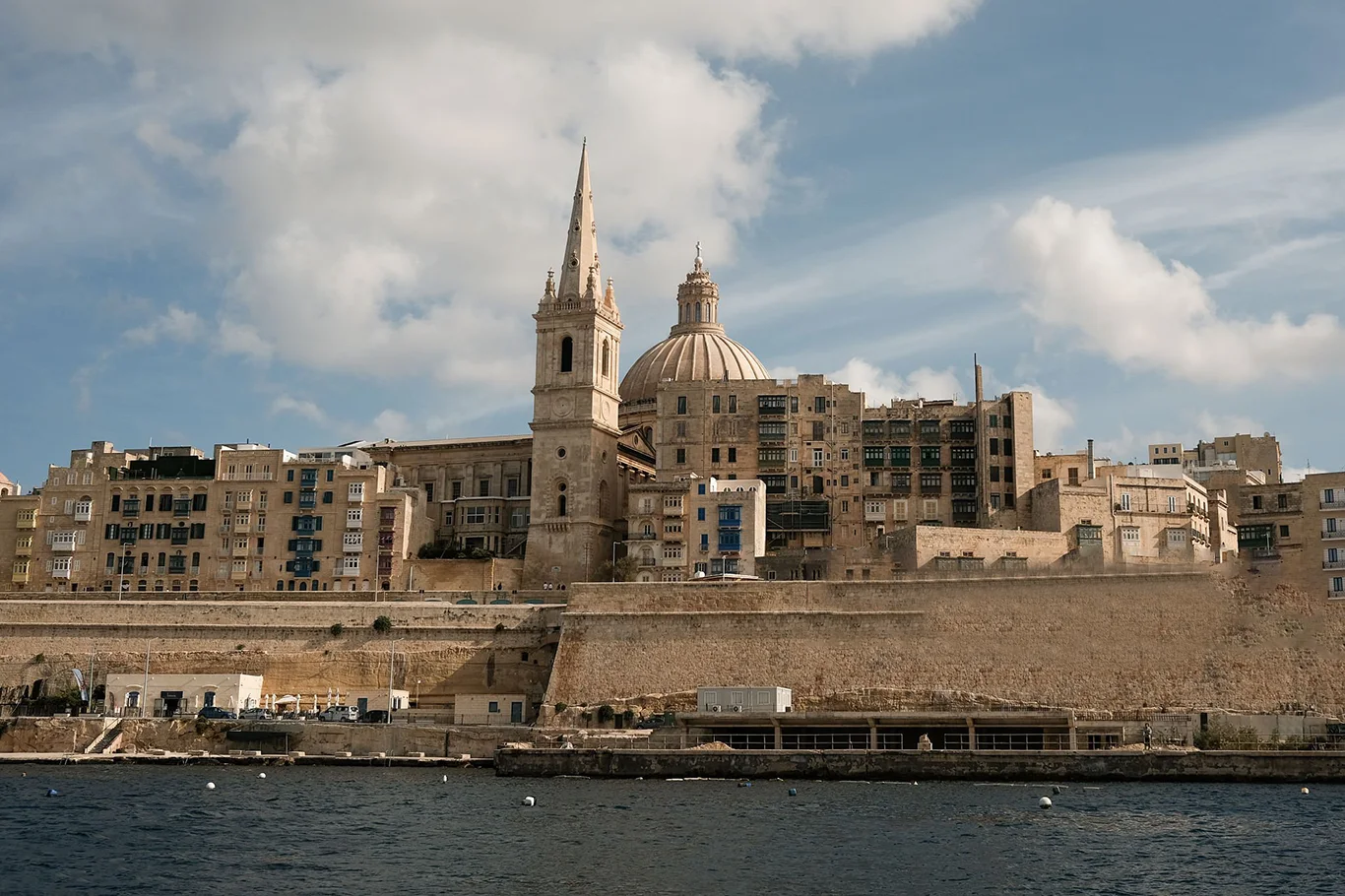
Around the world, cities rise, fall, and evolve — but some are now facing a clock no one can stop. Not because of wars or economic collapse, but due to silent environmental threats happening beneath the surface. No trending news coverage. No viral videos. No global headlines.
Just slow, unstoppable damage eating away at the very land these cities stand on.
While the world focuses on places like Venice or Miami, a different list of cities is slipping toward crisis — quietly, quickly, and almost invisibly. These are the destinations experts warn may not remain the same within the next decade. If you ever wanted to visit them, the time is now.
This is not a list of overexposed “climate hotspots.”
This article exposes underreported environmental data, revealing cities most people don’t even know are at risk.
Below are the five stunning but endangered cities—each threatened in a different, eerie, and deeply alarming way.
1. Utsira, Norway – The Island Being Eaten From Below
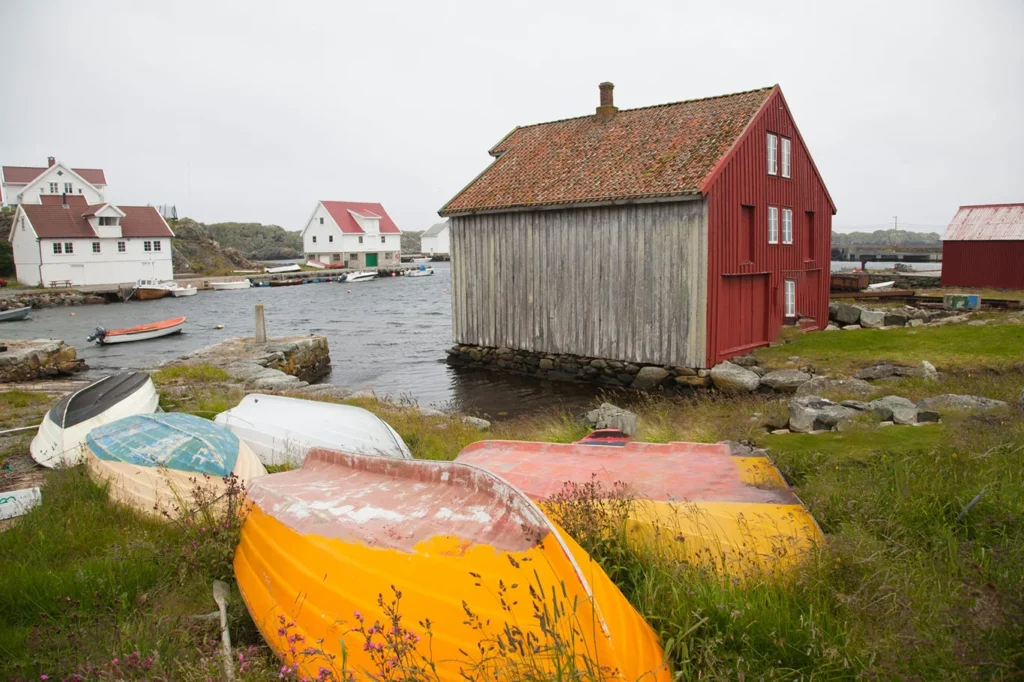
Where Beauty Meets a Slow Collapse
Utsira is a remote paradise — soaring cliffs, emerald waters, and a peaceful fishing community. Tourists love it because it feels untouched by time. But beneath that beauty lies a problem almost no global outlet discusses.
The Underreported Threat: Undersea Erosion
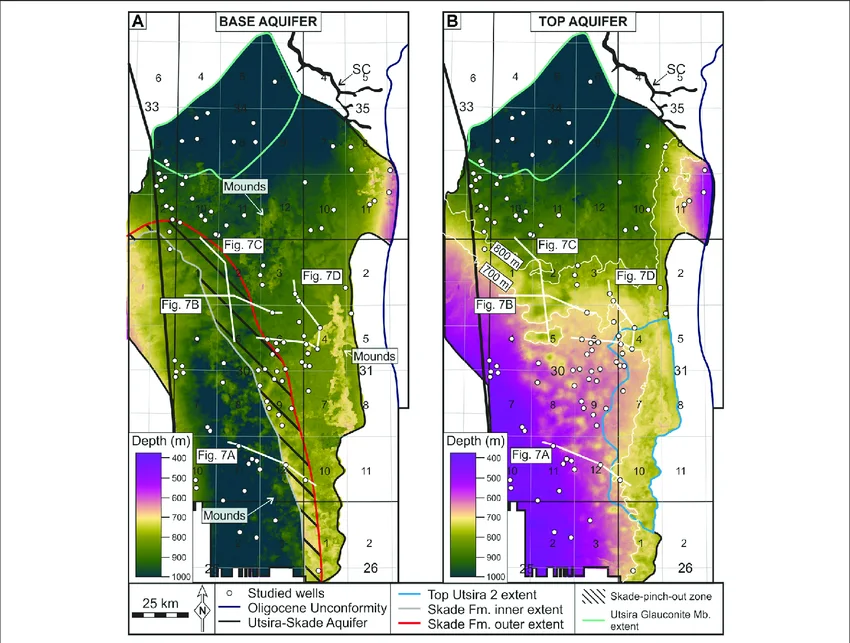
Scientists monitoring the Norwegian coastline have detected deep seabed shifts caused by sediment loss and powerful undercurrents. Unlike traditional erosion where the surface slowly disappears, this phenomenon is attacking the island’s base structure from below.
Stretches of cliffs collapse without warning.
Fissures appear where land was solid just weeks before.
Residents say they now “hear the ocean inside the island.”
If erosion continues at current acceleration rates, parts of Utsira’s coastline could retreat by 30–45% within 10 years — a staggering figure for a small island.
Must-See Before It Changes
- Hareid Lighthouse viewpoints
- Cliffside hiking routes
- Fishing villages that may lose shoreline access forever
2. Khulna, Bangladesh – The Beautiful City Slowly Sinking Out of Sight
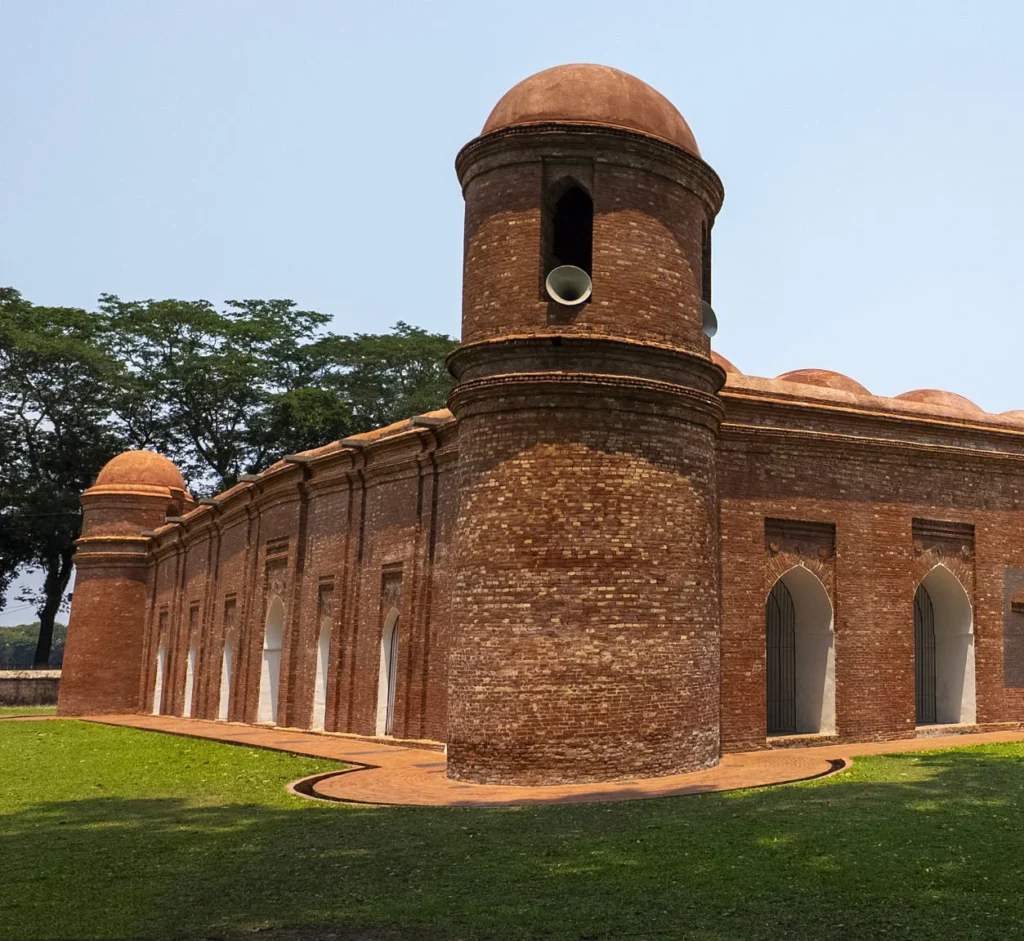
A City Losing Ground — Literally
Khulna is vibrant — bustling markets, river views, and a culture shaped by centuries of trade. But what’s happening beneath the city is far more frightening than rising sea levels.
The Underreported Threat: Land Subsidence From Groundwater Extraction
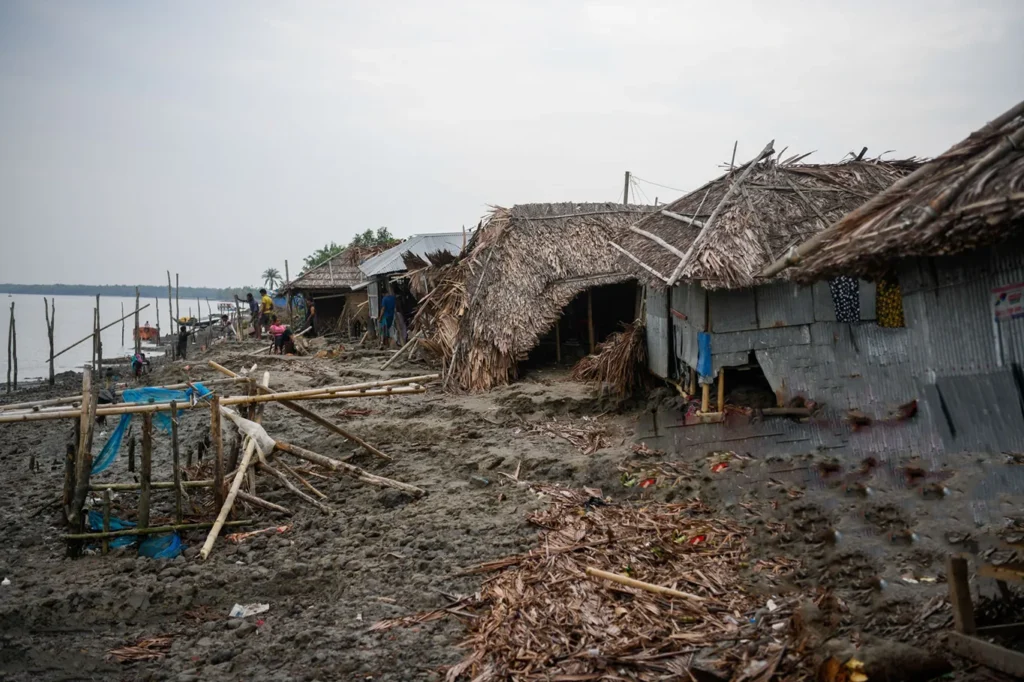
Khulna is sinking 3–5 centimeters per year, not because of oceans, but because:
- Factories pump huge volumes of groundwater
- Residential areas rely on deep tube wells
- The city’s clay base compresses under weight
These numbers rarely appear in global environmental reporting.
The Real Danger
If land continues sinking at this pace, Khulna will sit below natural flood barriers by the early 2030s — even without extreme sea-level rise.
The Sundarbans buffer the region, but shifts in mangrove health could fast-track devastation.
Must-experience sites:
- Rupsha River promenade
- Khulna Mosque & historical markets
- Gateway routes to the Sundarbans
3. Betio, Kiribati – A Town Where the Ocean Is Taking Back Everything
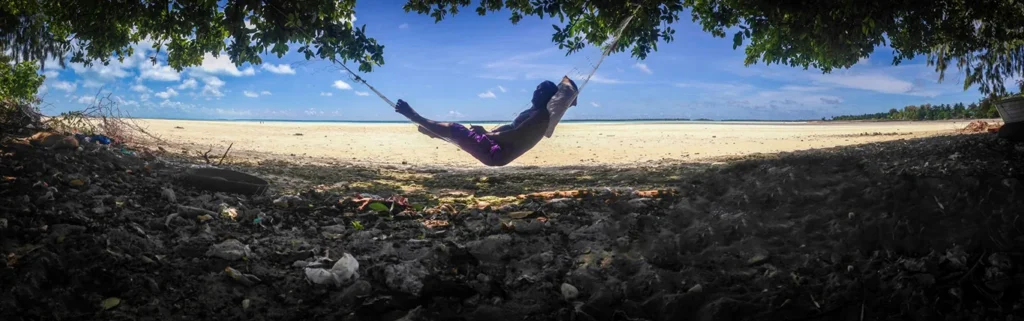
Paradise on the Edge
Betio is part of South Tarawa, a postcard-perfect island town with turquoise waters. But beauty doesn’t reveal the whole truth.
The Underreported Threat: Sand Mining + Coral Death
Two slow disasters are merging:
Illegal sand mining removes the natural shoreline barriers.
Coral bleaching, driven by extreme heat, kills the reefs that once protected the island from high waves.
With reefs dying, the sea hits the coast with full force. Some neighborhoods have lost 10–15 meters of land in less than five years.
What Experts Fear
UN-backed climate scientists quietly estimate that parts of Betio could become uninhabitable before 2035, yet this rarely makes global news.
What to See Before It’s Gone

- WWII relic sites
- Betio Harbor
- Local crafts markets that tell the island’s cultural story
4. Valletta, Malta – The Capital Crumbling From the Inside Out

A European Jewel in Peril
Valletta is a treasure — stone fortresses, blue waters, breathtaking architecture. But its beauty hides an invisible danger.
The Underreported Threat: Heat-Driven Limestone Collapse
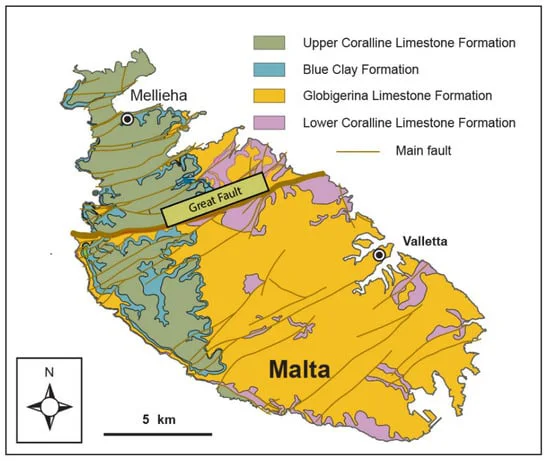
The city’s buildings sit on soft limestone, which reacts badly to:
- Extreme summer heat
- Urban temperature rise
- Microfractures induced by vibration
Over the last decade, heatwaves have caused limestone structures to expand and crack, slowly weakening buildings and cliff foundations.
Structural engineers report:
- Micro-fractures spreading beneath streets
- Coastal walls becoming unstable
- Historic buildings at risk of partial collapse
But most tourists have no idea.
Valletta is fighting to preserve its architecture, but restoration teams warn that some structures cannot be saved if temperatures continue to rise.
Must-see:
- Fort St. Elmo
- Grand Harbour viewpoints
- Baroque-era palaces
5. Basco, Philippines – The Town Now Sitting in a New Typhoon Path
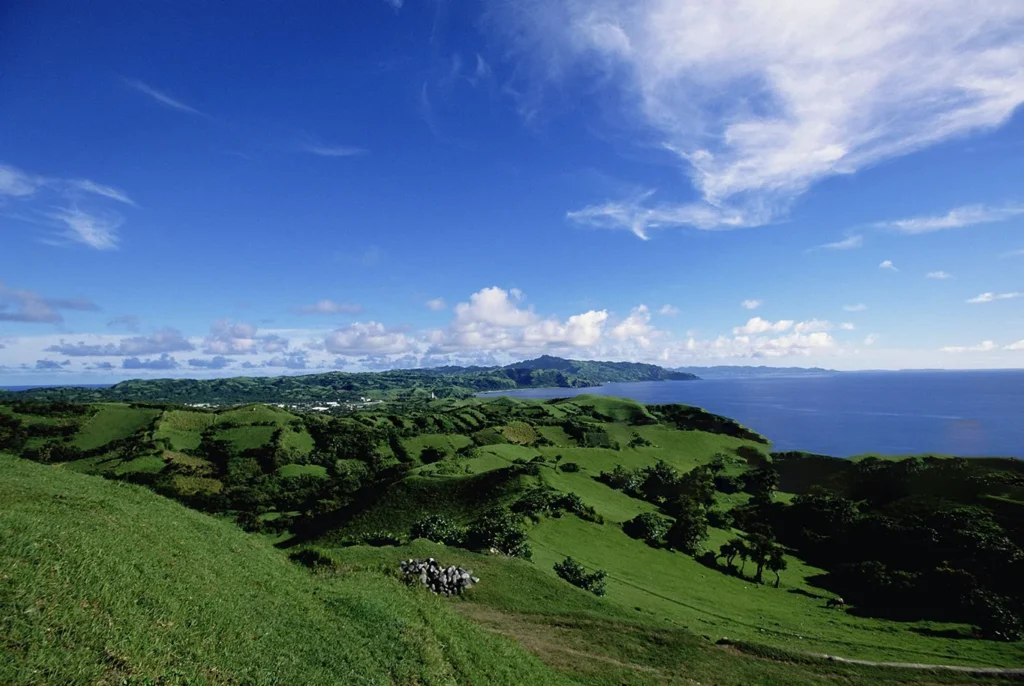
A Peaceful Island Facing a Violent Future
Basco, located on Batan Island, is admired for its sweeping green cliffs and jaw-dropping ocean views. For decades, it was known for mild storms compared to other regions.
Not anymore.
The Underreported Threat: A Shift in Typhoon Formation Zones
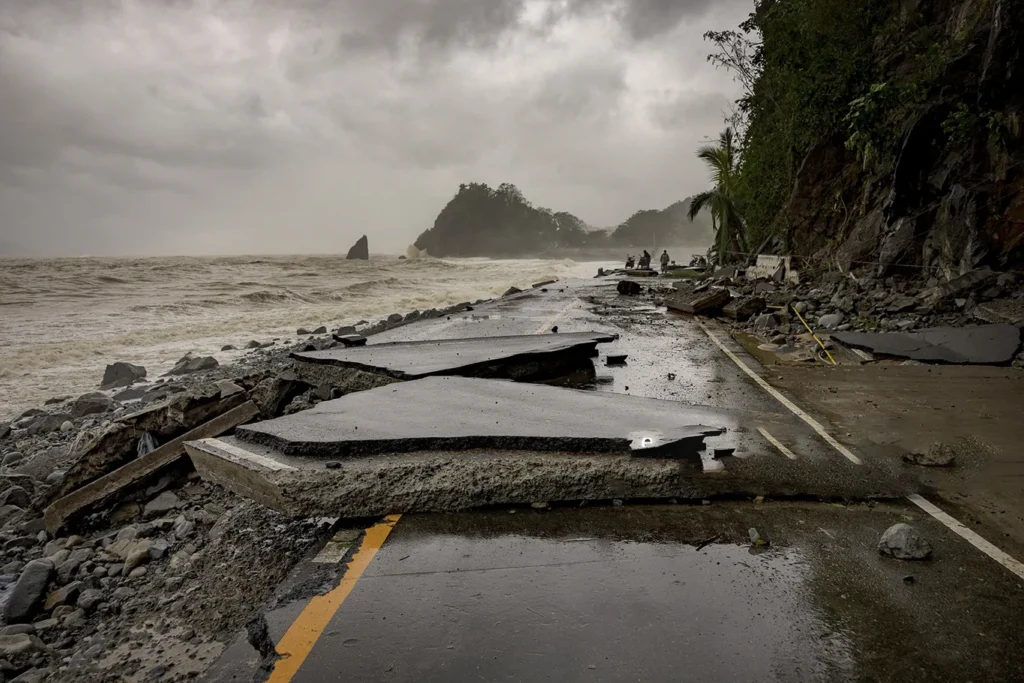
Due to unusual Pacific temperature behavior, typhoons are now forming hundreds of kilometers closer to Basco. This means:
- Storms hit the island with less warning
- Wind speeds arrive at maximum strength
- Cliffside erosion is accelerating
In some areas, more land was lost in the last 5 years than in the previous 25.
Geologists warn that Basco’s cliffs may retreat rapidly if yearly storm intensity continues increasing.
See It Before It Changes
- Vayang Rolling Hills
- Basco Lighthouse
- Valugan Boulder Beach
Across all five cities, environmental data reveals:
- Shifts in ocean behavior
- Unexpected seabed erosion
- Groundwater-driven land collapse
- Fast-changing typhoon routes
- Heat damage affecting foundations
These warnings rarely make headlines—but they shape the future of travel, culture, and global geography.
The world is changing faster than we think.
Not with dramatic explosions or sudden events — but with quiet, steady environmental decay that may erase some of the world’s most breathtaking destinations.
If you’ve ever dreamed of visiting these places, the next decade may be the last window to experience them in their current form.
About the Author